Food Anxiety and the Gluten-Free Diet

A Look into the Relationship Between Celiac Disease and Mental Health
By: Katie Harpham, MS, dietetic intern
March 2026
Let’s talk about food.
In this article, we’ll talk openly about food anxiety and disordered eating patterns that can sometimes develop when managing a medically necessary gluten-free diet.
I invite you to pause and think about what food means to you. If you’re reading this, you may have celiac disease, have a loved one who does, or simply want to learn more. Regardless, food can bring up complicated feelings such as stress, fear, or confusion.
I’m studying to become a dietitian because I’m fascinated by the relationships people have with food. One day, I hope to help people build healthier and more stable relationships with what they eat. This article is meant to start a thoughtful conversation about the challenges that can come with living gluten-free, especially as you step into more independence.
If food is starting to feel overwhelming or restrictive, speaking with a registered dietitian or mental health professional can help you get the support you deserve.

Walking the Gluten-Free Tightrope
Celiac disease can make you more prone to anxiety, depression, eating disorders, and disordered eating. Following a gluten-free diet isn’t always easy, especially as you begin buying food without your parents, have to navigate a dining hall, or start living with a roommate who has no clue what celiac disease is. It can make you debate whether going to that dorm pizza night is even worth the stress. Because a gluten-free diet is currently the only effective treatment for celiac disease, restrictions around specific foods can be necessary for your health. Unlike other nutrition-related conditions where diet flexibility is sometimes possible, celiac disease requires complete elimination of gluten. This black-and-white thinking can be mentally exhausting. Food may start looking like something to be feared, instead of something nourishing. It makes total sense to want to protect yourself from gluten, especially if prior to diagnosis, you experienced uncomfortable or even painful symptoms. But when non-gluten-containing foods get eliminated out of fear or anxiety, disordered eating may be creeping in. Are you…
- Cutting out more and more foods “just in case”?
- Avoiding social events because of food anxiety?
- Feeling panic (not just caution) around eating?
- Feeling guilt after eating gluten-free foods that are “too processed”?
If this feels familiar, consider speaking with a registered dietitian or mental health professional to help reduce this food anxiety.
When Fear Feels in Control
Eating disorders and disordered eating can sometimes overlap with celiac disease because they may involve fear or control around food. But, when disordered eating is at play, the fear and control of food can extend beyond the medical necessity of the gluten-free diet. Eating disorders are serious, diagnosable mental health conditions. Disordered eating patterns may not meet a formal diagnosis but can still make food feel stressful, overwhelming, or controlling.
- Anorexia Nervosa (AN): characterized by extreme restrictions around food and fear of weight gain.
- Bulimia Nervosa (BN): observed with cycles of binging and purging.
- Binge Eating Disorder (BED): marked by periods of extreme, uncontrolled overeating, often followed by extreme distress.
- Avoidant-Restrictive Food Intake Disorder (ARFID): defined by extreme food restriction due to fears or anxiety about the taste, texture, smell, or appearance of food.
- Orthorexia: an unhealthy focus on eating only foods considered “clean” or “perfect.”
Each of these eating disorders looks different for each person they impact. Anorexia, bulimia, and binge eating all include restriction, motivated by the desire to alter body shape or size. Avoidant/restrictive food intake disorder is different. It is not related to body image. Instead, it is driven by fear or discomfort with the sensory experience of food, such as taste, texture, or smell.
Other mental health disorders can negatively impact eating behaviors. Conditions such as obsessive compulsive disorder (OCD), anxiety, or even depression can cause people to adjust their eating behaviors in a way that negatively affects their nutritional well-being.
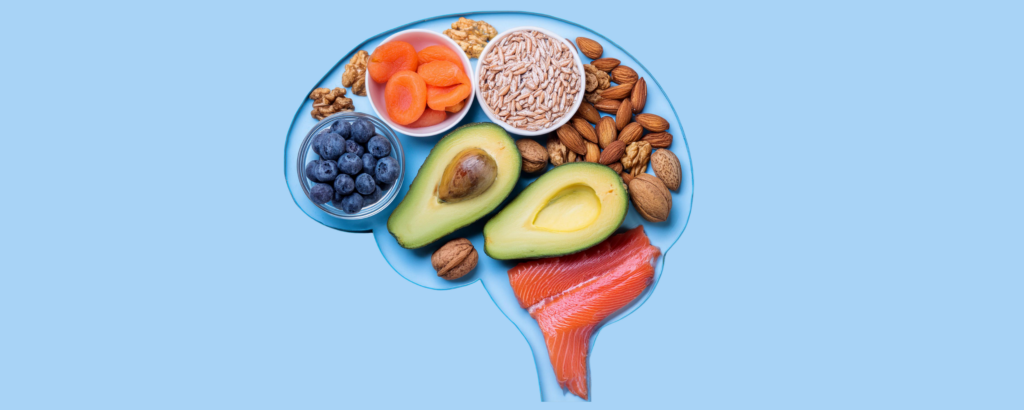
Your Brain on Nutrients
Have you ever opted for a specific meal because you knew it would bring you comfort? Or felt joy when your food arrived at the table? These feelings are often connected to the emotional and cultural ties of food, but the vitamins and minerals found within the food can also impact your mental health. Nutrients within our foods play amazing roles to create, transport, and convey messages to and from the brain.
Unfortunately, disturbances in digestion (such as inflammation from celiac disease) can make it more difficult to absorb the nutrients we need to balance our mental health. Following the gluten-free diet can heal the gut and improve nutritional and mental status in someone with celiac disease! Some nutrients found in refined wheat products, like B-vitamins and iron, can be a little more difficult to get in a gluten-free diet. Here are a few nutrients to focus on for your mental health.
B-Vitamins: anti-inflammatory, supports mood regulation (helps the body make serotonin and dopamine), and balances energy to regulate stress.
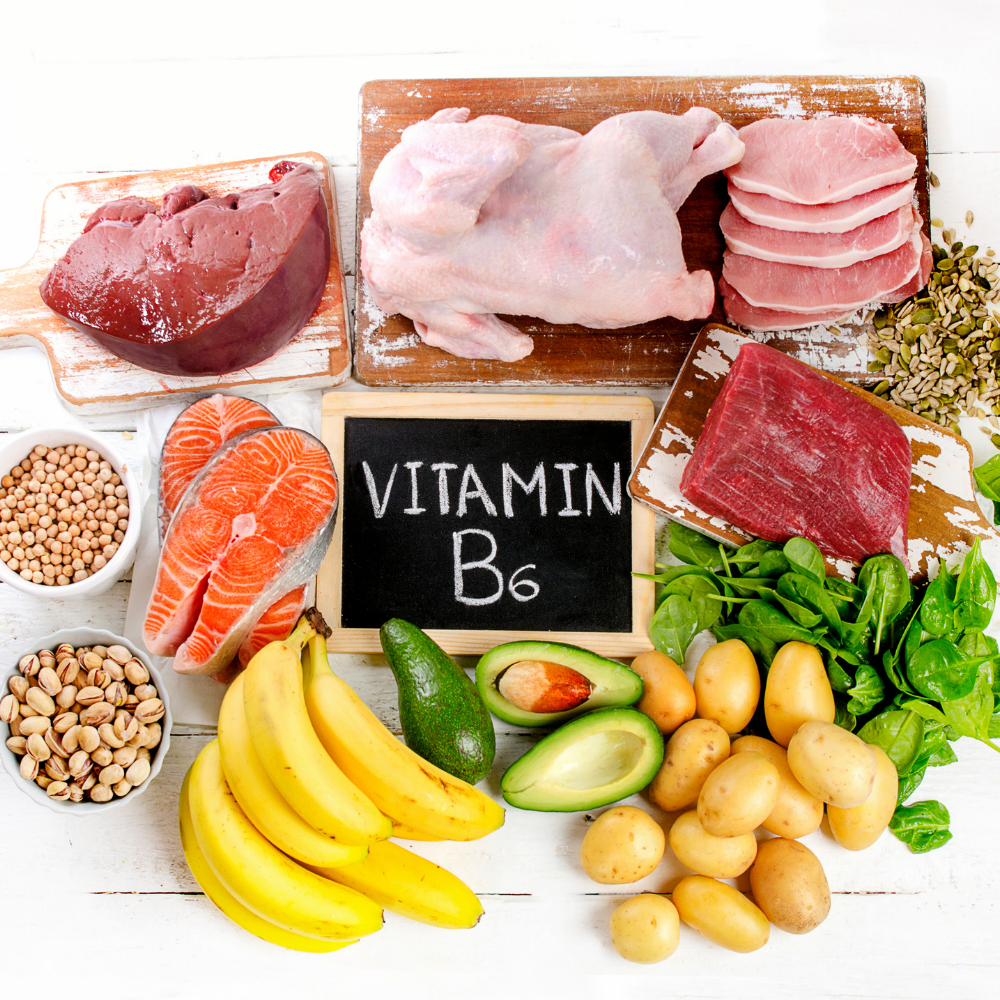
Vitamin B6 (pyridoxine)
- Poultry (turkey, chicken)
- Salmon
- Avocado
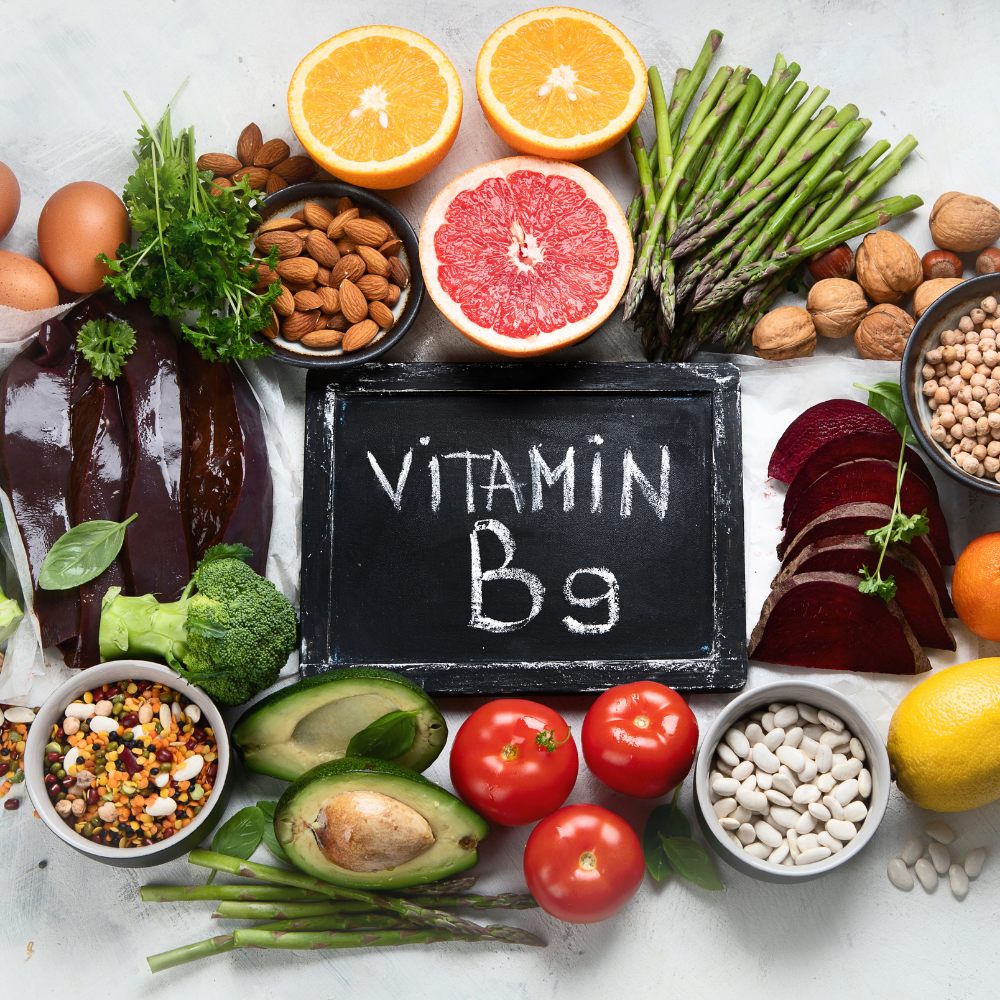
Vitamin B9 (folate)
- Beans, lentils, chickpeas
- Enriched white rice
- Spinach
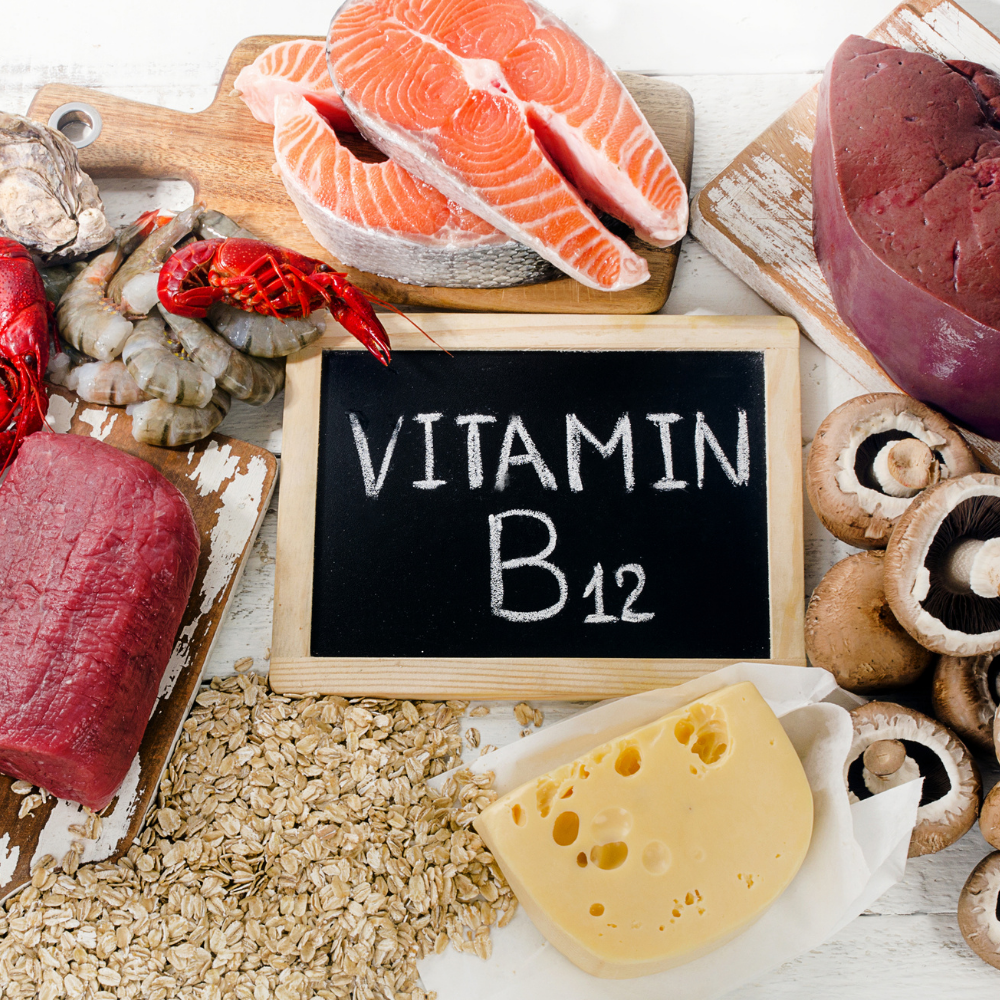
Vitamin B12 (cobalamin)
- Seafood & shellfish (mussels, clams, salmon)
- Nutritional yeast
- Eggs (especially yolks)
- Fermented miso paste
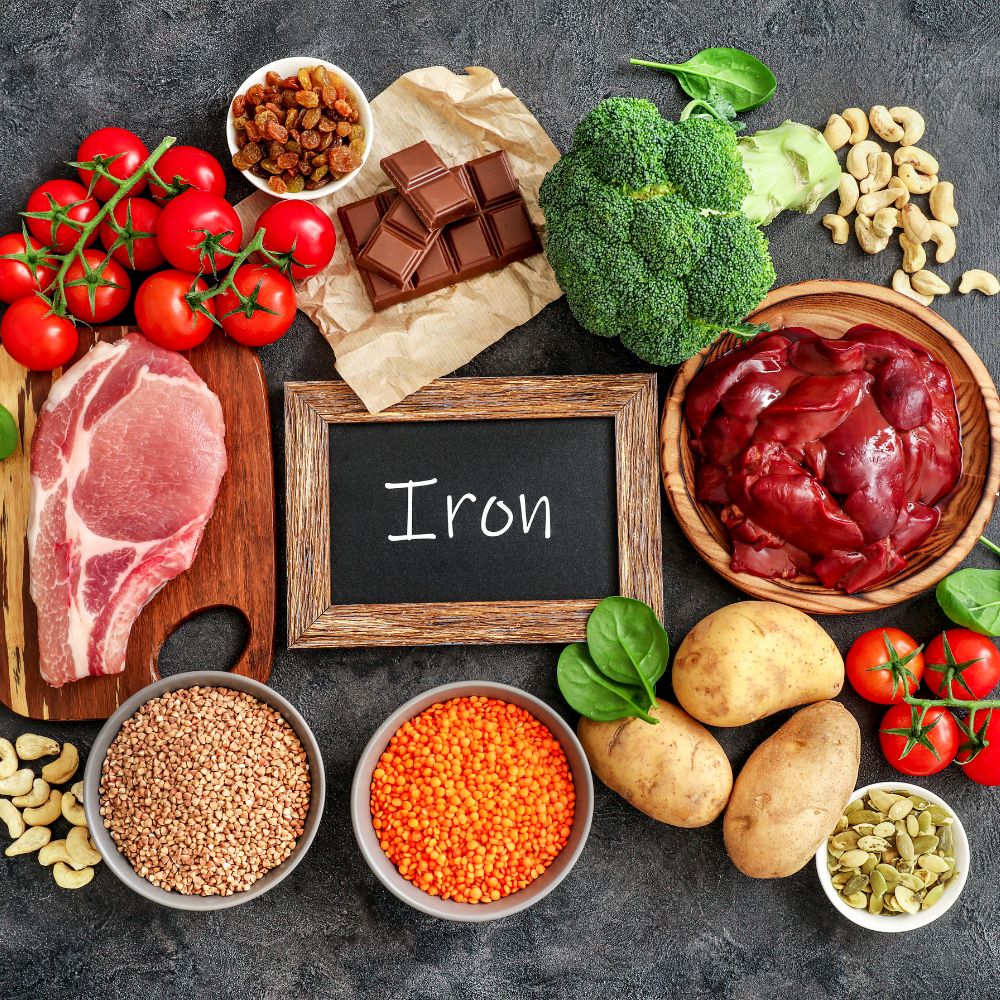
Iron: essential for the production of red blood cells and neurotransmitters.
- Meat, seafood, poultry
- Quinoa
- Beans, lentils
- Nuts/seeds
- Tofu
- Leafy greens
- Pro-tip: eat plant iron (ex. leafy greens) with sources of vitamin C (ex. citrus fruits, peppers) to increase absorption
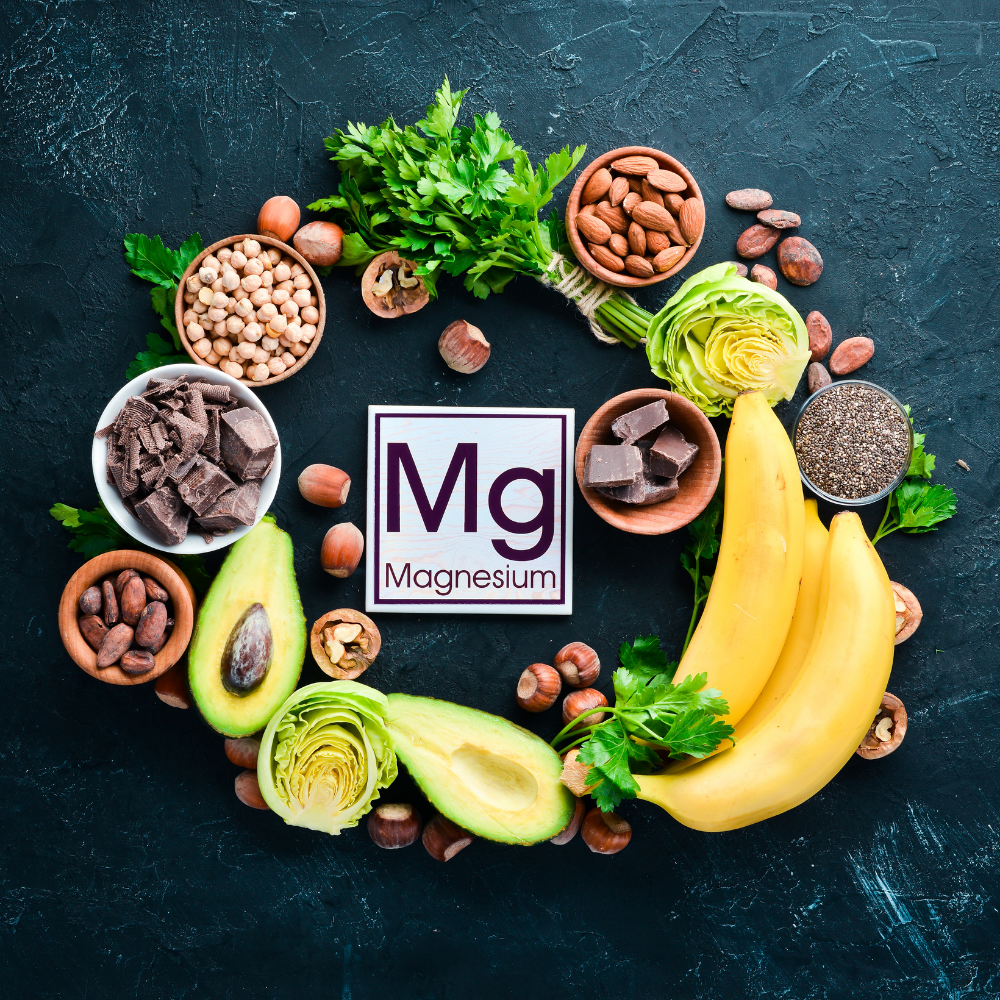
Magnesium: key for over 300 reactions in our body, anti-inflammatory, and regulates cortisol (important for managing anxiety).
- Nuts (Brazil nuts, cashews, almonds)
- Brown rice
- Chickpeas
- Banana

Omega-3s: an essential fatty acid; supports brain function, regulates messages throughout the brain, and stabilizes mood.
- Fatty fish (salmon, tuna, sardines)
- Flaxseed, chia seeds
- Walnuts
- Edamame
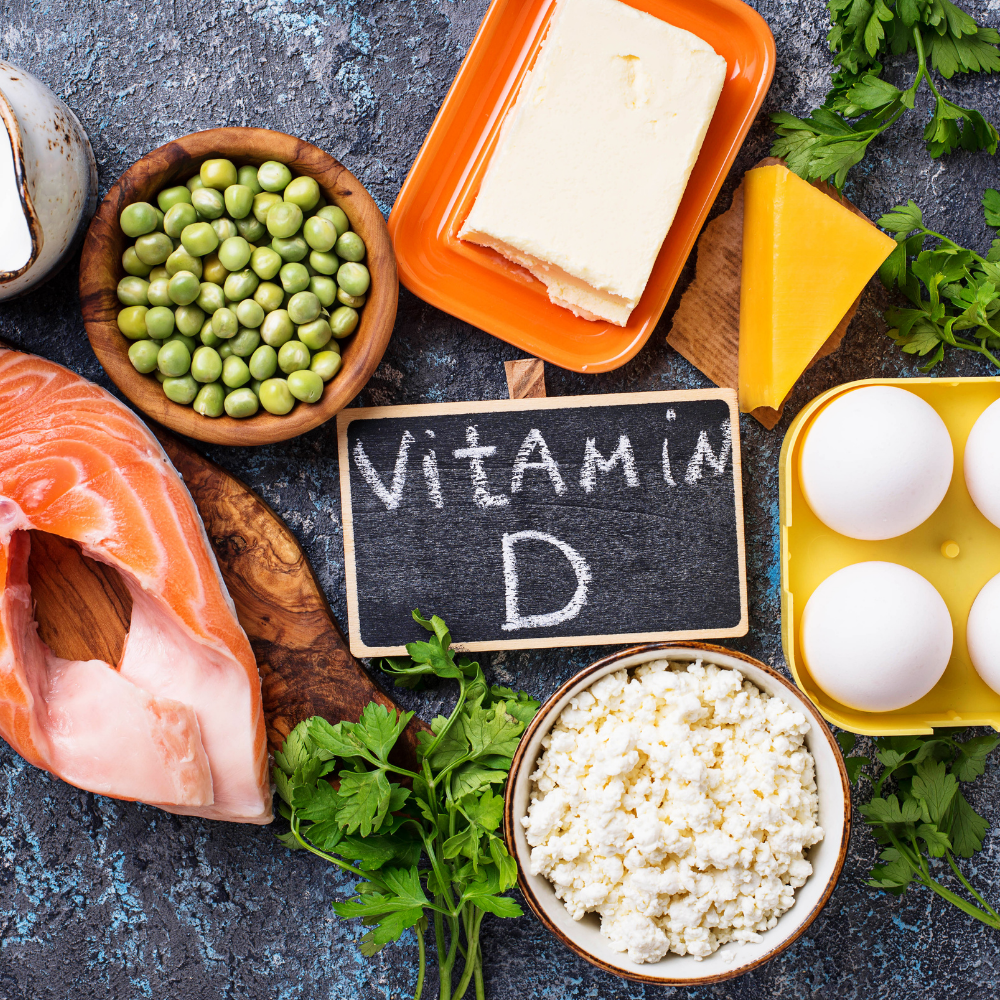
Vitamin D: the best source of vitamin D is sunshine; anti-inflammation, and mood stabilizing.
- Fatty fish
- Fortified milk and orange juice
- Eggs
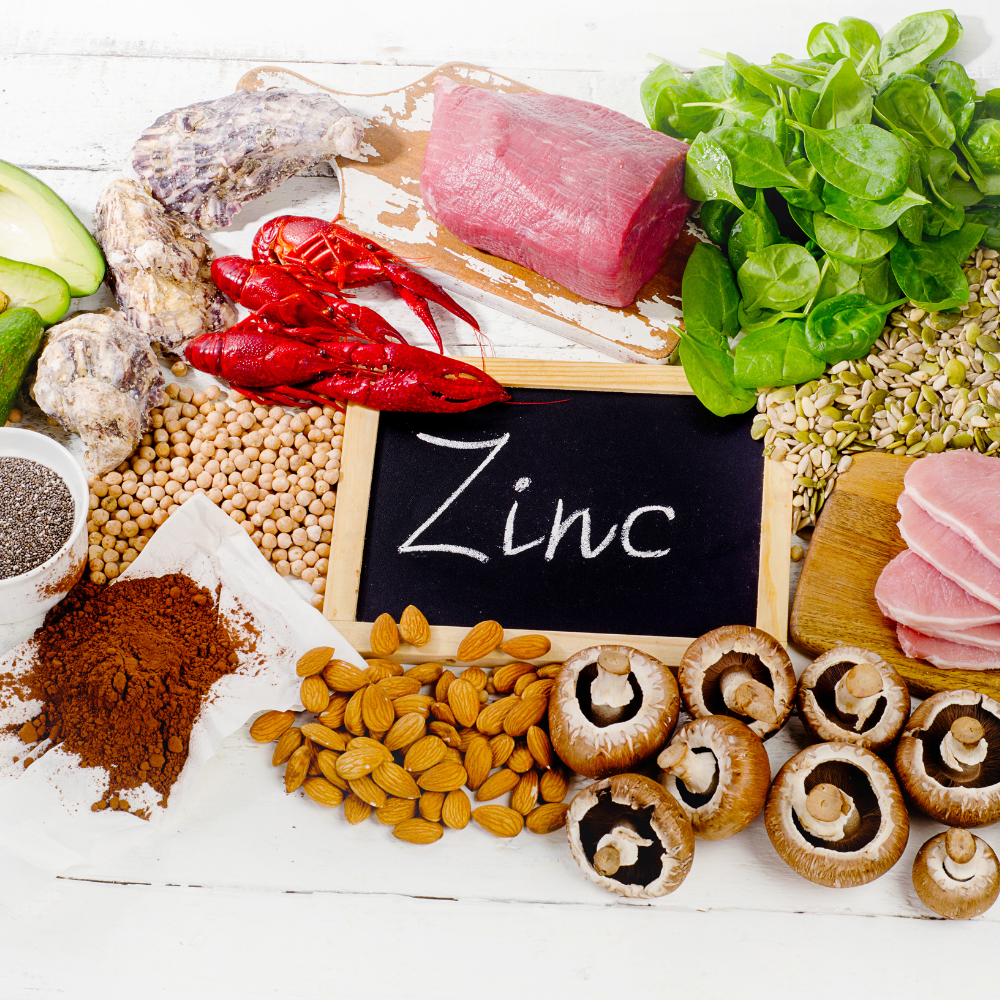
Zinc: key for brain health and neurotransmitter signaling.
- Oysters
- Red meat
- Yogurt
- Beans
Aim to get nutrients through variety and color in your diet. Talk to your healthcare provider about supplements to help support these needs.
An Ode to the Microbiome
Our gut, the large intestine in particular, is home to millions of bacteria, viruses, and other microorganisms, all of which communicate with the brain through the gut-brain axis. Because there are so many microbes in our gut, some researchers even refer to the gut as our second brain. These microbes do so much for us, such as break down food into metabolites and create a large portion of the body’s serotonin (a hormone that balances our mood). Metabolites can then send messages to the brain, just like you may send text messages to a friend. Your brain can send messages back to the gut, too. This communication is key to many things going on in our bodies. Including a variety of fruits, vegetables, beans/lentils, and probiotic foods, like yogurt and kimchi, can help keep the gut microbes happy.
Crumbs of Inspiration
Eat Food (and enough of it)
Sorry if you were hoping for something a little more earth-shattering. Eating a variety of foods helps supply you with all the nutrients we discussed above. Focus on fruits, vegetables, lean proteins, and whole grains, with space for your favorite snacks. Food can also bring joy, community, and comfort. Eating enough food helps to stabilize your blood sugar, which can prevent the “hangry” spiral. Aim for regular meals throughout the day, with snacks in between if you start getting hungry. Remember, there is no such thing as a “perfect” diet. Instead, aim for balance.
Prioritize Movement
Movement means different things to everyone. It may mean lifting weights, going to a workout class, walking with your dog, or even stretching while watching a show. Find something that makes sense for you and your body. Use movement as a way to do something nice for yourself.
You are the Expert on YOU
You know your body. Even if someone else doesn’t understand, your experiences are valid. Someone else’s experience does not define your own. Nutrition is a science of nuances. Every body, every human, every celiac disease is different.
Reframe the Restriction
When the gluten-free diet starts to feel like a chore, reframe what this diet means to you and your health. The gluten-free diet for celiac disease management isn’t a “trendy” diet. It is medical self-respect. But, it is also not an excuse to cut out other foods.
Reclaim Traditions
It can feel like a loss to not be able to eat the things you once did, but it leaves the door open for creativity, reformation, and improvement. Traditions are meant to be molded around the people within them, not the other way around. You’re not losing tradition, you’re evolving it!
Knowledge is Power (and so is having a conversation)
Educate yourself on the things that scare you. Understanding what is overtaking your thoughts can reduce the hyper control you feel you need. If you can’t talk face to face, connect with experts, like dietitians, on social media. Be sure to check your sources. What truly makes them an expert? Click here to find a dietitian near you.
Conclusion
The connection between celiac disease, disordered eating, and mental health is a complex one. Starting a dialogue with friends, family, or clinicians can help bring awareness to this issue and ensure you can get the help you deserve. You have taken the first step for your health and worked to cut gluten out of your diet. Take the next step by continuing to eat a varied diet to nourish your body. Remember, you are building a life that includes celiac disease, not one defined by it.