Managing Inflammation Through Natural Remedies

Every person deals with inflammation in their lives for at least a short while, sometimes for a longer time. Recent research has shown that ongoing serious inflammation affects about 43 million people in the United States, aggravating medical conditions and also acting as a medical problem by itself. Inflammation can often be dealt with outside of a doctor’s office, by using a combination of diet, exercise, and stress relief.
What is Inflammation?
Inflammation is a reaction your body has to an injury or infection or some other aggravation. Your body tissue (muscle, skin, joints, or nearly any soft body part) may swell up, turn red, get hot, and if bad enough become painful. Usually, inflammation is a local body part issue; your nose responds to a cold, your ankle inflames from being sprained, or your ear-nose-and-throat reacts to pollen. This reaction is to protect the area and flood the surrounding tissue to help it heal by sending in immune cells to fight the infection, remove damaged cells, pad the area, and generally fix the problem.
Acute: If it only lasts a short while, several hours or days, and does not become too painful, inflammation is part of healing. An acute inflammation can last for hours, days, even weeks.
Chronic: Also called generalized inflammation. If it lasts too long (longer than two to six weeks, or returns), becomes painful, or stops the body part from working well, it is a more serious problem and should be dealt with. Chronic inflammation is sometimes less intense, but more generally felt, can affect larger body areas, and can throw your body and mind off in several ways. Chronic inflammation can lead to or worsen arthritis, affect breathing, limit sleep and rest, and can lead to additional inflammation in nearby tissue as the body sends out alarm hormones that spread to other areas.
Chronic generalized inflammation can be caused by autoimmune disorders (including, celiac disease, lupus, Crohn’s disease, and rheumatoid arthritis), pollution or toxic chemicals, may result in physical and mental illnesses, such as depression and heart diseases. All of these diseases and disorders can be serious individually, and the body’s inflammatory reaction can make them worse. If you suffer from more than one of them, the symptoms may combine.
How Does Celiac Disease/Gluten Intolerance Involve Inflammation?
Inflammation of the gut (the intestine or lower digestive tract) is one of the most common symptoms of celiac disease and gluten intolerance. Gluten is not digestible by gluten-intolerant guts, and when fed into your gut, it usually reacts as though it is not food, and one of those reactions is to inflame. This is not always an overwhelmingly strong reaction, but over time and with more irritation, it tends to get worse. Your gut walls swell up, heat up, and are generally aggravated, but since the intestine (gut) has fewer nerve endings than skin or surface muscle, the deep gut pain is less than a surface reaction. Since the gut is a tube, swelling up squeezes the food and causes more discomfort. One of the body’s other reactions to a swollen gut is to flood it with mucus, partly to make it easier to move the food along and partly to wrap the gluten up and keep it away from the gut walls. All of this takes a fair amount of water, so you will probably get thirsty and drink more liquid, only some of which actually goes into the gut; the rest is spread out through your body, leading to bloating. On top of this, you may cramp; the muscles along your gut are trying to shove the food out. Cramping guts are sore and even painful. It is quite a chain of reactions, and that only deals with the guts! In more severe and generalized reactions, inflammation in the gut can be triggered in other organs and the joints.
Your gut is a very basic part of your body, and when it is upset, the whole system is upset.

How Does Gluten-Free Diet Affect Inflammation?
One of the earliest body reactions to a gluten-free diet is to lessen inflammation. No gluten, less irritation and inflammation, and the gut starts to heal. How long that takes depends on the person, how long they’ve been reacting, how serious the damage is, and whether or not there are other health issues. To keep it simple, we’ll assume that celiac is the only issue and the reaction is moderate.
As inflammation goes down, swelling reduces, water is shed, body resources can be used elsewhere, cramping lessens or ends, and the overall feeling lifts. Early recovery can take only a few days or maybe up to a week, once a fully gluten-free diet is started. Ongoing recovery can take weeks or months, and symptoms can take a while to fully vanish. People often report weight loss after going gluten-free; some of this is water weight, and some of it is a reduction in fatty tissues as body resources can be devoted to muscle development and dealing with other issues. As one major issue is resolved, other issues can get attention, and other causes of the inflammation can get resolved too.
How to Manage Inflammation Naturally
Chronic, low-level inflammation is a serious issue. If you have what seems to be a serious medical issue, talk to your doctor, but also consider dealing with the issue through dietary approaches. You may be able to reduce your inflammation without taking medications by eating a better diet with fewer inflammatory foods and more anti-inflammatory foods and changing your life and exercise habits.
Eat more fruit and vegetables, nuts and seeds, some fish, and use anti-inflammatory herbs and spices. Fresh food is best, frozen acceptable, canned is practical, and any anti-inflammatory food is better than none. You don’t have to go all-in here; a hardcore anti-inflammatory diet is hard to maintain, but a less inflammatory diet can still be helpful.
Anti-inflammatory foods tend to have antioxidants, omega-3 amino acids, and probiotics. Antioxidants protect the body from free radicals (a group of chemicals in food), omega-3s are a kind of ‘good fat’, and probiotics include live helpful bacteria to help digestion, which helps prevent gut inflammation, to begin with. Fruits, vegetables, nuts, and seeds are also higher in fiber, which gives your gut something to push on and move your food through the digestive tract. Very high-fiber foods may not be anti-inflammatory, but fiber helps.
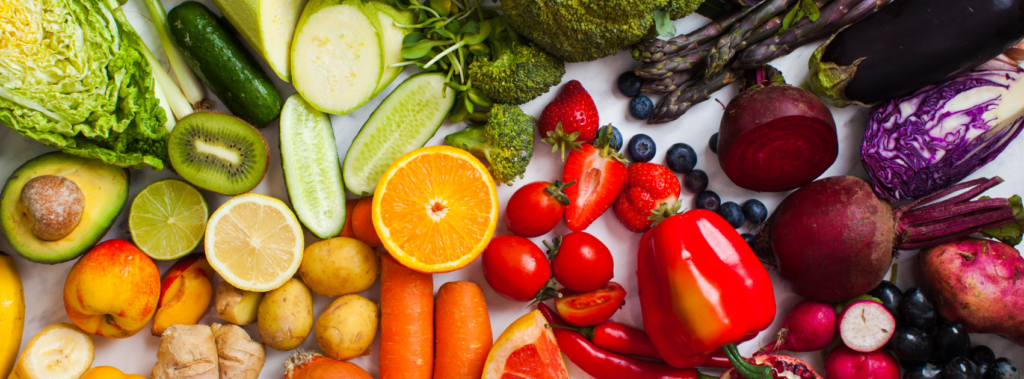
Fruits in general are good to get, especially berries, but also stone fruits. Avocados, blueberries, cherries, cranberries, raspberries, pumpkin, tomatoes, apples, and citrus fruits, such as oranges, grapefruit, and really, eat fruit.
Vegetables are also good anti-inflammatory foods, and the usual suspects apply green leafy vegetables (spinach, kale, broccoli, collards, and similar), but also carrots and sweet potatoes, and other root veggies. Beans, particularly black beans, red beans, chickpeas, and lentils, have antioxidants, fiber, and are a good source of protein.
Nuts and seeds are generally anti-inflammatory, and almonds, chia, walnuts, and flax top the list. They are a source of healthy fats and proteins and can be eaten alone or as an addition to salads or cooked dishes.
Fatty fish are a source of omega-3 amino acids, and mackerel, tuna, and salmon top the list, followed up by anchovies, black cod, and striped bass.
Herbs and spices can supplement an anti-inflammatory diet, and garlic, ginger, and turmeric are all well-known for this, and to that add black pepper, basil, cardamom, and rosemary.
Liquids: Green tea is a popular anti-inflammatory, but less well-known are rose hip, ginger, and fennel teas. Your local tea shop can probably help; be careful to check for barley, which is used to flavor some herbal teas.
Coffee and red wine have antioxidant properties as well, and so does dark chocolate (70% cocoa or more). Too much of any of those is not great, but they can be helpful in small amounts, especially if you already drink or eat them.
Also, getting enough water is important. Much of your water intake comes through food and beverages, but drinking four to six cups (1 to 1.5 liters) a day of straight water is a good idea, depending on your weight and activity level, and climate, and will help support your system.
GF Grains: Buckwheat (despite the name), corn, millet, GFCO-certified gluten-free oats (check the label), rice, and quinoa should not set off a gluten-intolerant gut, and are a source of fiber. Oats, brown rice, quinoa, and wild rice all carry antioxidants as well.
Probiotics include fermented foods with live bacteria, including yogurt, sauerkraut and kimchi, and miso. Check the label for “live” or “active” cultures.
Exercise helps build muscle and connective tissue, pumps blood, improves general circulation, and moves body fluids, all of which have good results for reducing inflammation. Any amount of exercise can help; walking a half-mile three days a week is better than none, but for an able-bodied adult a one-mile walk should only take about 20-30 minutes, less if walking fast. If you are less mobile, walk up and down a hallway or on a level path, or even just exercise in a chair. Hard and very hard exercise will tend to cause inflammation, temporarily, as muscle is worked, but as long as you are not actually overworking the muscle, this should lessen and is part of a heavy workout.
Stress reduction: Mental and emotional stress is inflammatory (the stressed brain sends out triggering hormones) and reducing stress is good for many reasons; reducing inflammation is just one of them.
Inflammatory Foods: Red meat (including pork), refined sugar, and processed foods, in general, promote inflammation. Processed red meats are even stronger inflamers.
Medications to Treat Inflammation
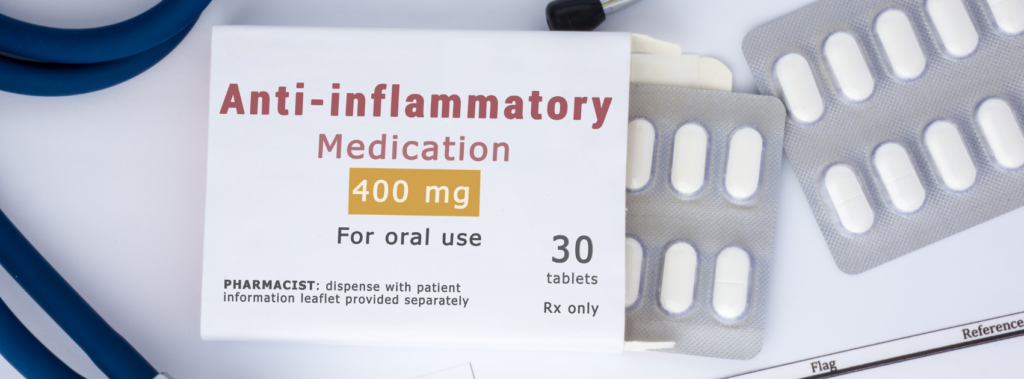
Sometimes you need medication to deal with inflammation. The most available over-the-counter anti-inflammatory meds are Non-Steroidal Anti-Inflammatory Drugs (NSAIDs). Occasional use of over-the-counter meds should be fine unless you have some additional issue, but if you are taking them daily or more often, that is too much, and you should see a doctor. There may be serious side effects from taking NSAIDs too long or too often.
Naproxen is the most effective over-the-counter NSAID, also sold under the brand name Aleve; this med lasts longer than others but may take longer to work.
Ibuprofen (aka Advil) is also useful; it does not work as fast but works sooner.
Aspirin is the classic med for inflammation and works well in general.
Acetaminophen (Tylenol) is not an anti-inflammatory, although sometimes is sold in combination, and can help with the pain caused by some inflammation.
There are a number of prescription-strength medications for inflammation, including steroids and stronger NSAIDs, but they tend to be specific and are outside of the bounds of this article. Talk to your doctor about these.
Resources on Inflammation
Your doctor and other qualified professionals, such as dietitians, can be quite helpful in inflammation treatment. It may be a good idea to keep a list of your symptoms to show the doctor, and if you can, show a diary of what you’ve been eating, what activities you’ve been doing, and when your symptoms flare up.
Chiropractic and massage therapy can help with muscular and spinal inflammation and anything that reduces inflammation can help reduce general symptoms. Be careful of exaggerated claims about results and often repeated sessions.
Support groups for specific kinds of inflammation exist in some local areas. Crohn’s disease, arthritis, IBD, celiac, and other autoimmune problem support groups operate in many places and through some healthcare organizations. Your doctor’s office may be able to help, and some web research might turn up help. GIG support groups can help with gluten intolerance and related issues. https://gluten.org/community/support-groups/
Books on anti-inflammatory diets are very popular. Before you buy online, check your local bookstore and skim actual books for readability, completeness, and whether the book deals with your situation.
References/Further Reading
Medical News Today examines the question of Do anti-inflammatory diets really work? https://www.medicalnewstoday.com/articles/do-anti-inflammatory-diets-really-work
Harvard University reviewed the anti-inflammatory diet, summarized here. https://www.hsph.harvard.edu/nutritionsource/healthy-weight/diet-reviews/anti-inflammatory-diet/#:~:text=Generally%20it%20emphasizes%20eating
%20a,showcase%20many%20anti%2Dinflammatory%20foods.
Inflammation generally gets more common as people age. The National Institute of Health offers this article on the subject. https://www.ncbi.nlm.nih.gov/pmc/articles/PMC8389628/
IBD: This article is aimed at various kinds of inflammatory bowel disease but may be of more general interest. https://www.ucsfhealth.org/education/nutrition-tips-for-inflammatory-bowel-disease
Massage for muscular inflammation https://www.hfe.co.uk/blog/massage-therapy-and-inflammation/
Chiropractic for lower back inflammation https://www.ncbi.nlm.nih.gov/pmc/articles/PMC3188345/