Using herbs is a delicious and easy way to change your gluten-free cooking for the better! Not only are they a wonderful way to add flavor and aroma without adding extra salt, fat, or sugar to a dish, but they also contain antioxidants and phytonutrients that support health. Although they may seem intimidating at first you really can’t go wrong. Adding a handful here and there of your favorite fresh herbs can make a simple gluten-free meal taste extraordinary.
Do you have a mint plant that has grown out of hand? Then toss some mint into a fruit salad or whirl it into a smoothie. Or did you buy an extra-large container of basil at the grocery store and don’t want it to go to waste? Then make homemade pesto or sprinkle fresh cut basil into your salads or breakfast scrambles.
Getting familiar with the fresh herbs available in your garden, at the grocery store, and at your local farmer’s market can help you get creative on the fly!
HERB GARDEN
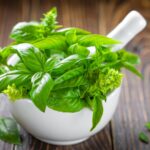
BASIL: This delicate large-leafed herb is a common staple in Italian, Indian, and Asian cuisine. It easily bruises when cut, therefore cut right before serving.
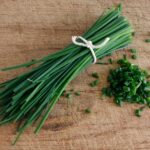
CHIVE: As part of the onion family, chives have a delicate onion/garlic flavor without being too overpowering. Use these as a garnish, in dressing and soups for a refreshing taste.
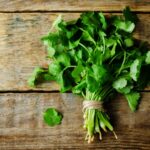
CILANTRO: With delicate leaves, this herb is best used fresh and is often found in Mexican fare such as salsa and guacamole. Add a handful to salads and dips for a boost of nutrition and flavor. But beware, not everyone is a cilantro lover! For some this flavorful herb tastes like soap.
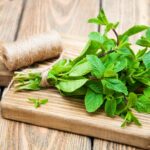
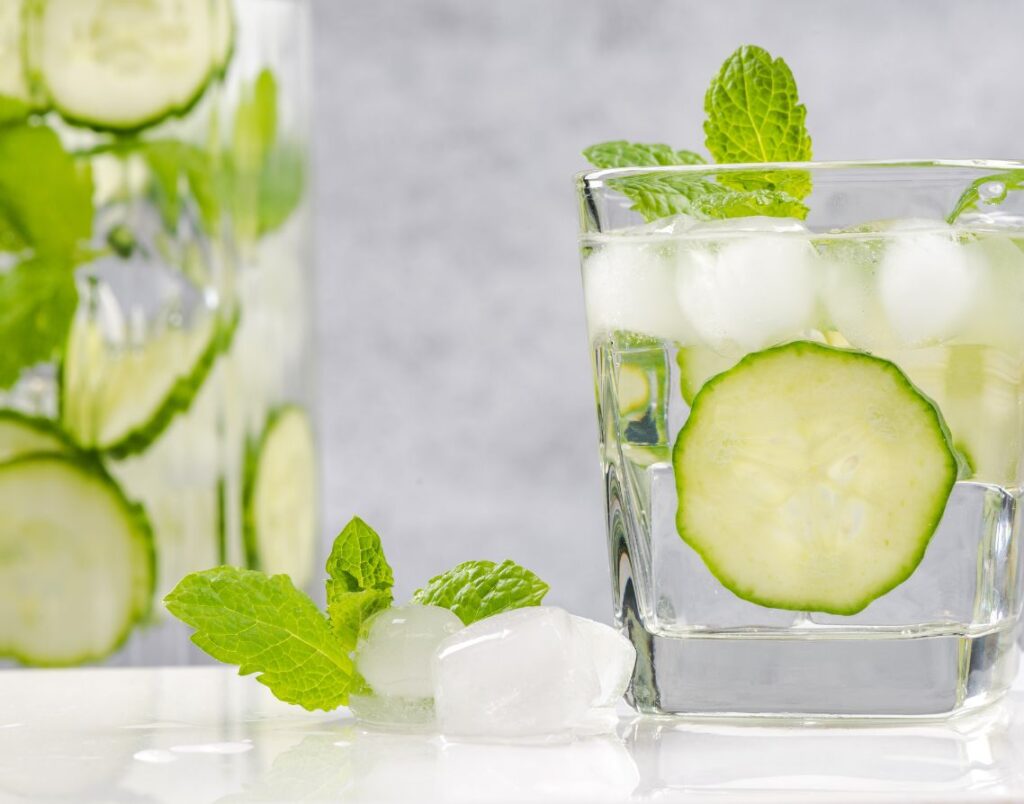
MINT: This very aromatic herb is commonly used in Greek cuisine, often paired alongside lamb. Mint also tastes great when combined with citrus fruit or cucumber in cooling summer beverages. Plus, it can help soothe digestion and may ease stomach cramps.
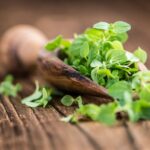
OREGANO: Often called wild marjoram, oregano is often used to flavor Italian American foods, pairing well with both grilled meats and veggies.
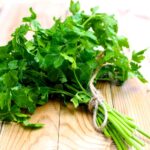
PARSLEY: Commonly used in French, Italian, and German cuisine, this tender herb can be a great addition to any meal.
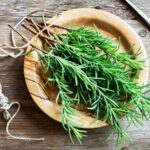
ROSEMARY: This Mediterranean herb is woody with pine-like needles. It offers great flavor when used fresh in marinades and dressings or added to lemonade.
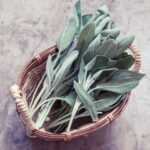
SAGE: With soft, velvety leaves and an earthy flavor, this herb is commonly used in comfort foods during the fall and winter months.
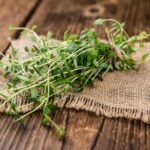
THYME: This evergreen herb is often used in Mediterranean cuisine. Use it in combination with other herbs or alone to flavor meats and beans.
COOKING TIPS
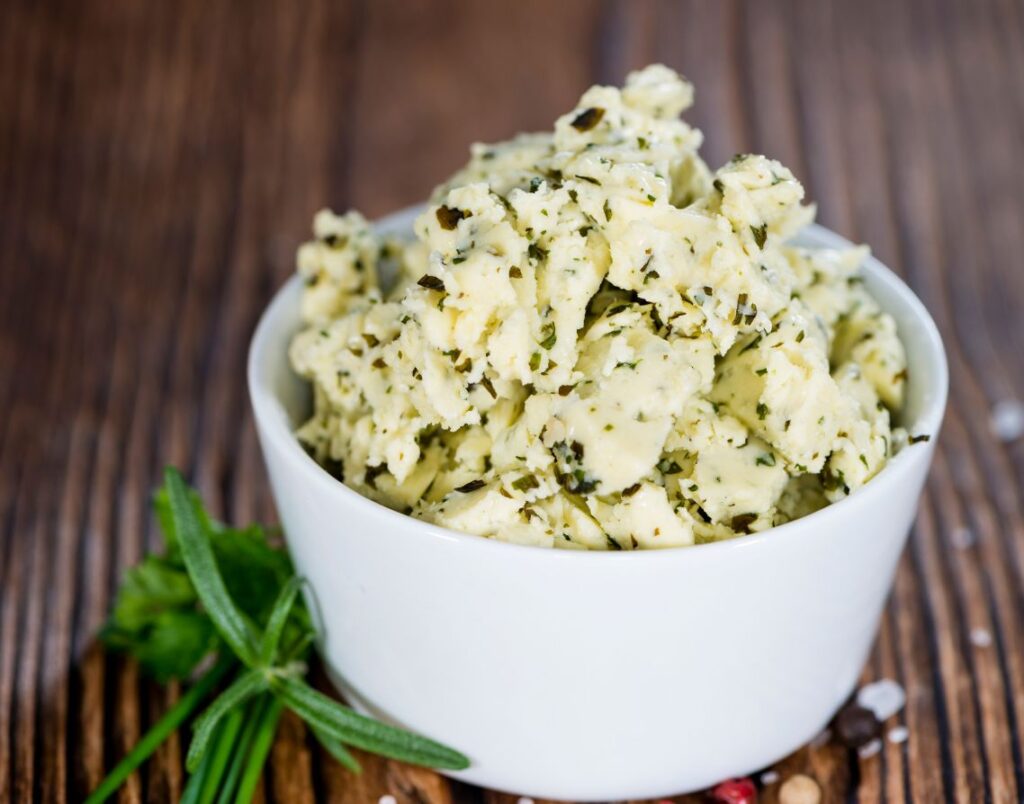
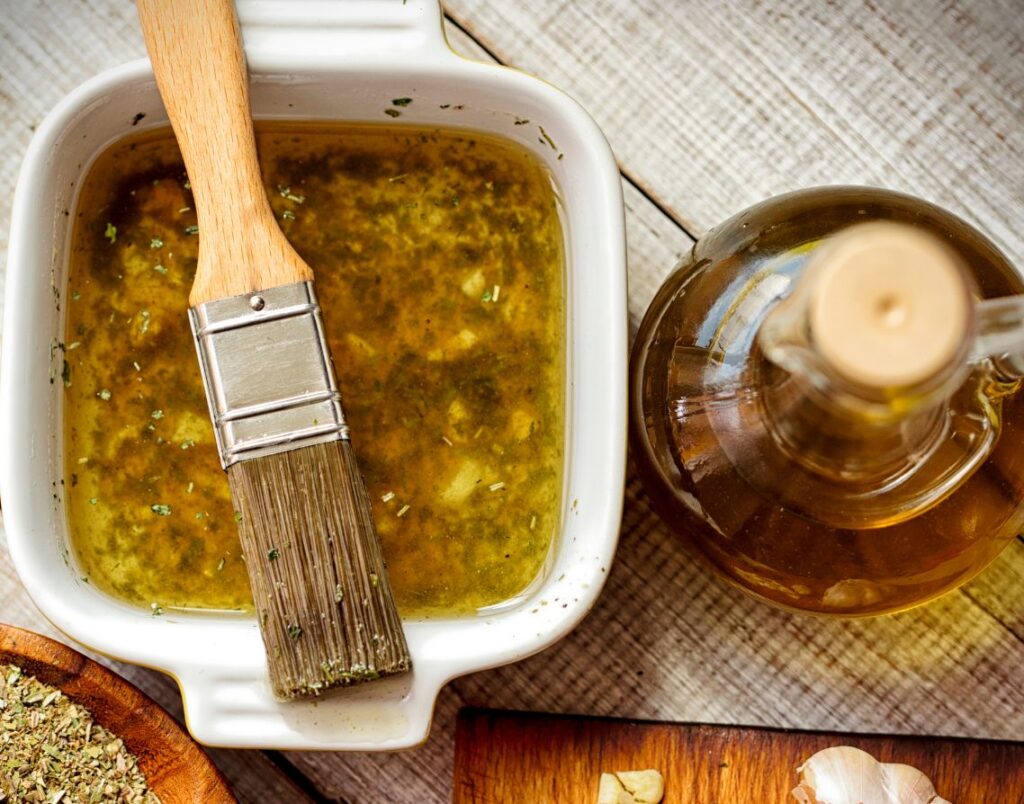
Impress your guests with an herb butter or herb marinade. Using either oil or butter enhances the absorption of the fat-soluble vitamins A and K, which are found within the plant leaves!
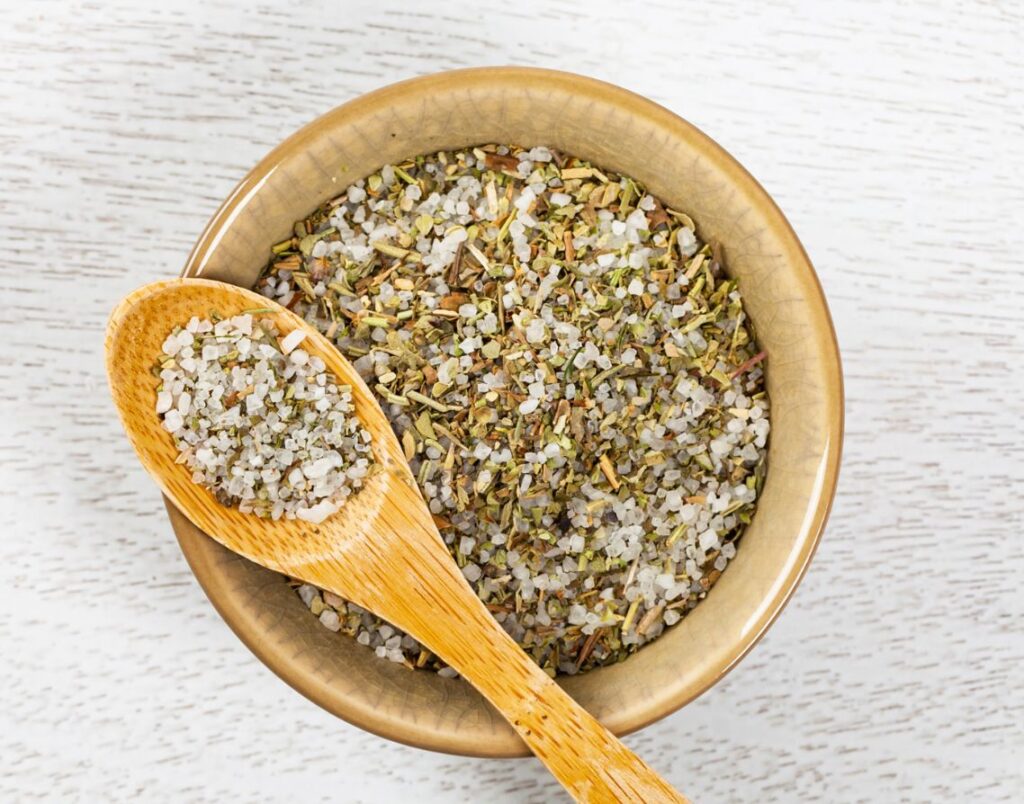
Heighten the flavor and aroma of roasted vegetables, especially potatoes, with herb salt. Simply toss with olive oil, sprinkle with herb salt, and roast in the oven at 450 degrees for 20 minutes or until tender.
Add zest and flavor to cooling beverages by adding fresh herbs such as mint and rosemary. Rub the leaves between your fingers to release the essential oils before adding them to your favorite drink.
HOW TO STORE FRESH HERBS
The best and cheapest way to store herbs is to have your own herb garden to pick from as needed. However, if you often buy your fresh herbs at the grocery store or your local farmer’s market, it is best to follow the tips below to keep them fresh as long as possible.
Wrap hardier herbs such as rosemary, thyme, and oregano in a dry paper towel and seal them in a Ziploc bag. Keep it in the refrigerator for optimal freshness.
Keep delicate herbs such as parsley, cilantro, basil, and chives in a mason jar filled with a little water on your kitchen counter. Trim the herb ends with scissors and place the herb (stem and all) into the jar. The water should remain at stem height only because the leaves can quickly rot if immersed in water.
Handful of fresh hardy herbs (any combination of rosemary, oregano, thyme, sage, or marjoram)
Handful of fine or coarse sea salt
DIRECTIONS:
Pick off the herb leaves from the stems and place them into a pile on a large cutting board. Sprinkle a generous handful of sea salt (fine or coarse depending on your liking) over the fresh herbs. With your sharp chef’s knife, begin to finely chop the herbs into the sea salt. Continue to mince the herbs into the salt until the salt and herbs become one mass. Store in a sealable container in the refrigerator for up to 1 week.
Note: Sprinkle on root vegetables prior to roasting, on veggies for the grill, or on your favorite meats/fish. Or simply use it in place of plain sea salt for added flavor in any dish.
In a medium bowl, mix the butter, finely minced herbs, and pressed garlic. Add fresh ground pepper to taste. Mix well until evenly combined.
Spoon the herb butter mixture onto parchment paper and form into a cylinder. Wrap and seal ends by twisting the parchment. Refrigerate for up to 2 weeks or freeze for up to a month.
2 medium cucumbers, peeled ¾ cup mixed fresh mint and basil 4 limes, juiced 1-2 tablespoons honey or simple syrup (adjust to your liking) 1 cup sparkling water
DIRECTIONS
Trim the ends of the cucumber and coarsely chop. Place into a high-speed blender. Add the fresh mint and basil, fresh lime juice, sweetener, and sparkling water. Blend on high for about 30 seconds.
Strain the mixture through a fine mesh sieve. Pour strained liquid over ice and garnish with mint.
Note: Top off with extra sparkling water if desired.
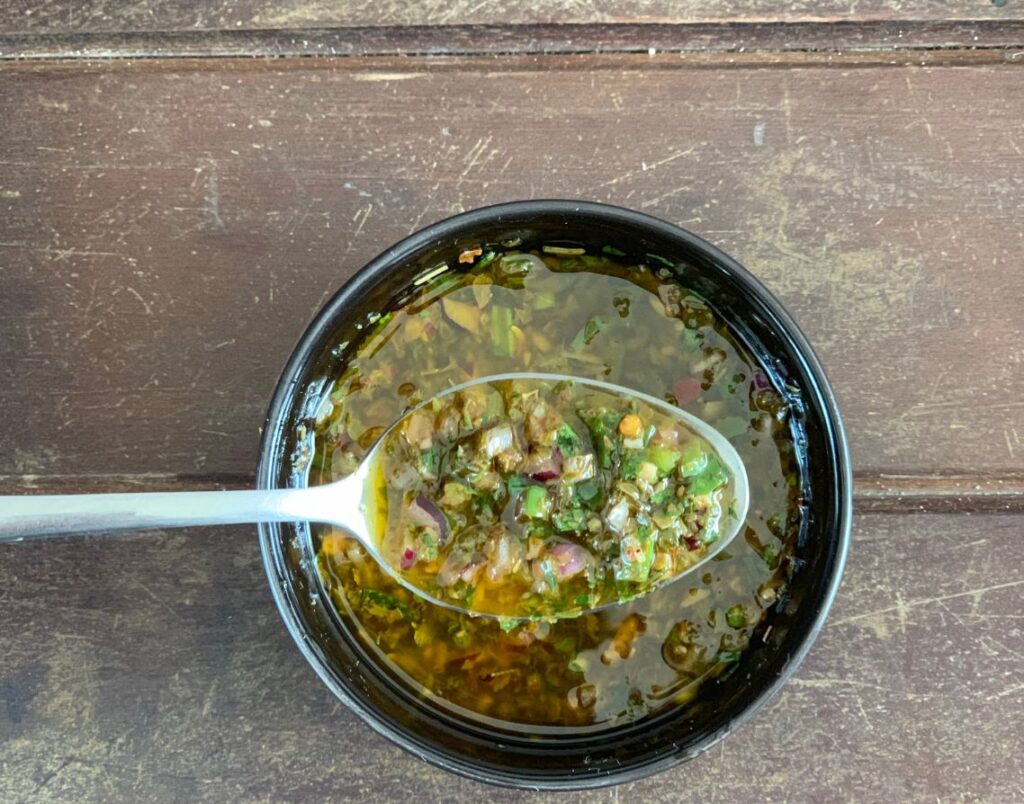
½ jalapeno pepper 2 garlic cloves ¼ cup chopped yellow onion 1 bunch cilantro 1 bunch Italian parsley ¼ cup fresh lime juice (1-2 limes) ½ cup extra virgin olive oil 2 tsp ground cumin 2 tsp ground coriander ¾ tsp fine sea salt
DIRECTIONS
In a food processor add the jalapeno, garlic cloves, and chopped onion. Pulse until finely chopped. Add the cilantro and parsley, using only the greens and thin stems. Pulse until finely chopped. Add the lime juice, olive oil, cumin, coriander, and sea salt. Pulse until well combined.
Pour into a bowl or mason jar. Will keep in the refrigerator for 3-4 days.
Adapted from an article written for GIG by Selva Wohlgemuth, Bastyr University Dietetic Intern, 2015