Let’s Eat Better, Eat Together, and Eat Gluten-free

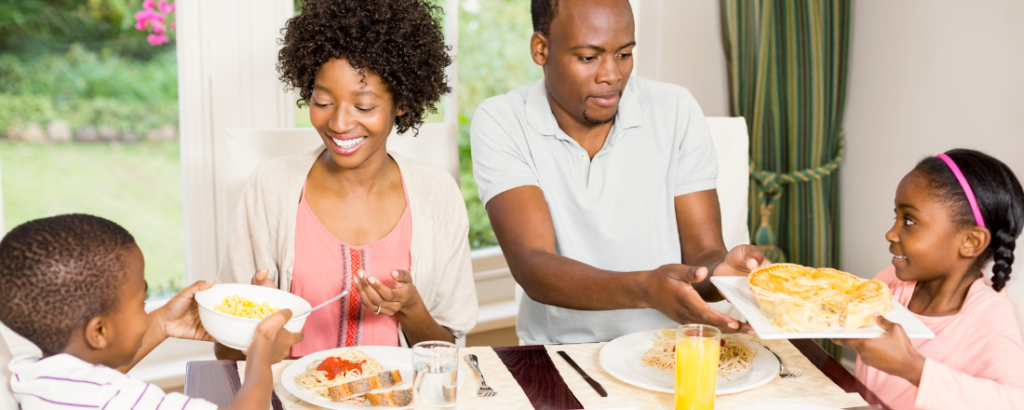
Did you know September was National Family Meals Month and October is Eat Better Eat Together Month? Studies show there are many benefits for people when families eat together or when they share a meal with others. Children and teens can especially benefit from eating with others.
Our mission at GIG is to make life easier for everyone living gluten-free. We often talk about how having a celiac disease diagnosis (or non-celiac gluten sensitivity diagnosis) and needing to avoid gluten can affect more than just diet. Adopting a different way of eating and carefully watching for gluten before a meal can be stressful. It could also affect how someone eats and their attitude toward food.

Due to the potential risk of cross-contact, if you eat gluten-free, you might feel less inclined to share meals with people who regularly eat gluten. There are ways to manage the risks of gluten exposure that could take place. It is important to be able to continue sharing meals with others for many reasons, including the ones we share below.
Sharing meals can bring enjoyment but also other physical and mental health benefits. While research on this topic continues, here is what some of the current research says about the potential benefits for people who eat more family meals or shared meals. (Source: Diet and Health Benefits Associated with In-Home Eating and Sharing Meals at Home: A Systematic Review) Some of the studies mentioned there are even more benefits when you eat homecooked meals.
Diet quality
Adults, but especially children and teens, might eat more fruit and vegetables and less fried or sugary foods when sharing a home-cooked family meal. This can lead to improved diet quality. Improvements in diet can mean a greater intake of some vitamins and minerals. Family meals also provide a great setting for parents to model what a balanced, nutritious plate looks like. One common way for kids to learn new things is to watch and imitate what their parents do.
Better health outcomes
When eating family meals, adults and children may have a lower risk of being overweight or obese. Eating together by itself doesn’t decrease this risk. Studies mention that a “positive family climate or good parenting” also helps. So do other positive habits like healthy sleep routines.
Eating together frequently as a family could protect against the development of eating disorders and other negative eating-related health behaviors in adolescents and young adults. One study found that shared meals can help people feel less isolated and lonely. Both of those things could have a positive effect on heart health. Eating healthier foods can also help a person’s heart health. (Source: Loneliness, Social Isolation, and Cardiovascular Health)

Emotional and social effects
Regular family meals could help with a person’s overall psychological well-being. Eating meals together as a family can positively affect self-esteem and help children and adolescents with learning and achievement in school.
Sitting down at the table together provides a time and place for conversation. Family meals can also help improve younger children’s vocabulary and teach conversation skills that can benefit them outside the home, at school, with friends, and in relationships. Any of these positive outcomes rely on both the frequency and the quality of the family or shared meal experience. Regular family meals have been shown to potentially help with a person’s overall psychological well-being.
Eating Gluten-Free and Shared Meals
You can experience the pleasure of shared meals while also getting other benefits, even when sharing the table with people who eat gluten. To reduce the stress of sharing a meal when eating gluten-free, be prepared, be observant, and ask questions. Whether you are eating with family or friends, communicate your needs clearly. For anyone new to gluten-free food preparation and eating, some education around what it means to live gluten-free might be needed.
If you are eating out and could use some information on how to stay safely gluten-free, see Eating Out: 7 Tips For Staying Gluten-Free. Going over to someone’s house for a dinner party or hosting one of your own? If both gluten-containing and gluten-free foods are being served, learn about Gluten-Free Safe Entertaining. For more information about food safety in general, check out Gluten-Free Food Safety Roundup.
The information on this website is for educational purposes only. Consult your healthcare team when considering this information.
© 2022 Gluten Intolerance Group. All Rights Reserved