Smart Shopping, Big Savings: Gluten-Free Staples and Affordable Snacks

By Mallorie Williams, GIG Outreach
Let’s be real, eating gluten-free on a budget is not always easy. The specialty products, the label reading, the “safe” tax that seems to come with everything certified: it adds up fast. But here is the good news: it does not have to be that hard, and it definitely does not have to drain your wallet. While we can’t make the budgeting stress disappear entirely, we can absolutely help you reduce it. In this article, we will walk you through naturally gluten-free staples worth keeping on hand, affordable snack ideas that actually satisfy, and a few resources to help stretch every dollar a little further.
Your Naturally Gluten-Free Staples
First things first, what does “naturally gluten-free” actually mean? Simply put, naturally gluten-free foods are those that do not contain the gluten protein that’s found in wheat, rye, barley, or their hybrids. We are talking whole, real foods: fresh fruits and vegetables, unprocessed meats, eggs, beans, legumes, and more. No specialty label required; no premium price tag attached.
The best part? These foods are not just safe; they are incredibly versatile. With the right staples in your pantry, you can build satisfying, budget-friendly meals and snacks without ever setting foot in the specialty aisle. So, let’s talk about what belongs in your kitchen and how to make it work for you.
Budget-Friendly Proteins
When it comes to budget-friendly protein, beans and legumes are the undisputed champions. They are inexpensive, filling, and work in just about everything: soups, salads, tacos, rice bowls, and more. But they are far from your only option. Eggs, peanut butter, Greek yogurt, and chicken are all naturally gluten-free, widely available, and easy on the wallet, especially when bought in bulk. Building your meals around these staples means you are getting the protein your body needs without the price tag that often comes with specialty gluten-free products.
Fruits and Vegetables
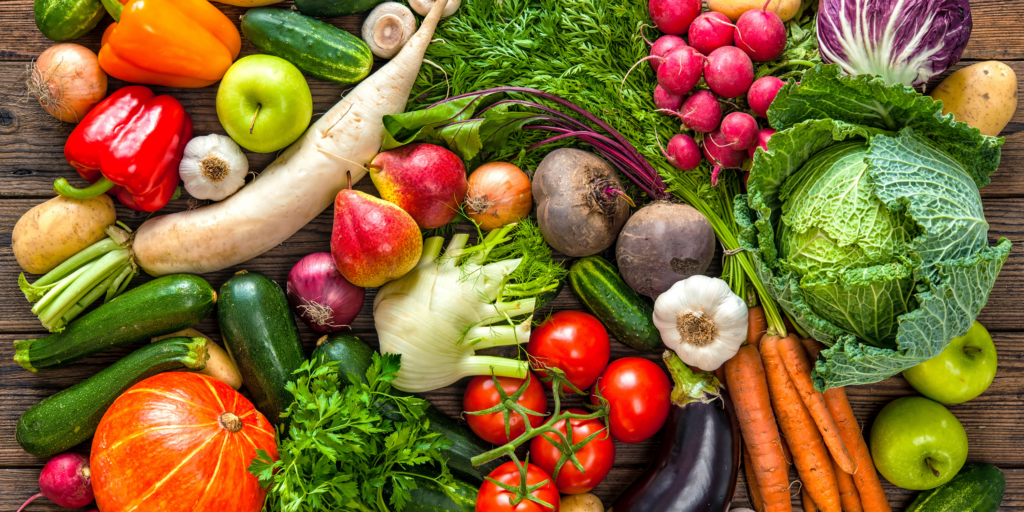
Fruits and vegetables are another cornerstone of naturally gluten-free eating, and for good reason: most are inherently safe, widely available, and incredibly affordable when you shop smart. The key is knowing how to keep costs down without sacrificing variety or nutrition. Farmers’ markets and buying in season are going to be your two best options when it comes to saving money on fresh produce. While fresh is always a great starting point, frozen fruits and vegetables are just as nutritious, last significantly longer, and often cost a fraction of the fresh alternative. Canned vegetables and fruits are also worth keeping on hand but always check the label to confirm there are no unexpected additives!
Gluten-Free Grains
That brings us to grains and starches. Rice and quinoa are two of the most versatile staples to keep on hand. You can also incorporate polenta, which is derived from corn, as well as buckwheat and certified gluten-free oats. While these foods are naturally gluten-free, it’s important to check labels and choose certified gluten-free products when needed, since cross-contact can be a risk during processing. This applies to other naturally gluten-free ingredients as well.
Dairy and Healthy Fats: The Finishing Touch on a Balanced Plate
Now you may be wondering: what about dairy? Great news; most dairy products are naturally gluten-free! Milk, cheese, butter, and plain yogurt do not contain gluten in their natural form, which means they are both safe and budget-friendly additions to your meals. Greek yogurt in particular is a nutritional powerhouse: it is high in protein, rich in probiotics, and incredibly versatile. Use it as a base for dips, stir it into sauces, or enjoy it as a snack or breakfast topped with fruit.
That said, it is always worth doing a quick label check on flavored or processed dairy products, as some, like flavored yogurts, processed cheese spreads, or certain creamers, may contain added thickeners or flavorings that introduce gluten. When in doubt, stick to plain, unflavored varieties and add your own toppings and seasoning at home.
Healthy fats are another important piece of the balanced meal puzzle, and many of them are both naturally gluten-free and surprisingly affordable. Think olive oil for cooking and dressing, avocado sliced into a rice bowl or salad, nut butters like peanut or almond butter stirred into snacks or smoothies, and seeds such as sunflower, pumpkin, or chia. These fats support brain function, help keep you full longer, and add flavor and richness to otherwise simple meals. A little goes a long way, making them some of the most cost-effective nutritional upgrades you can make.
Turning Gluten-Free Staples into a Budget-Friendly Balanced Meal
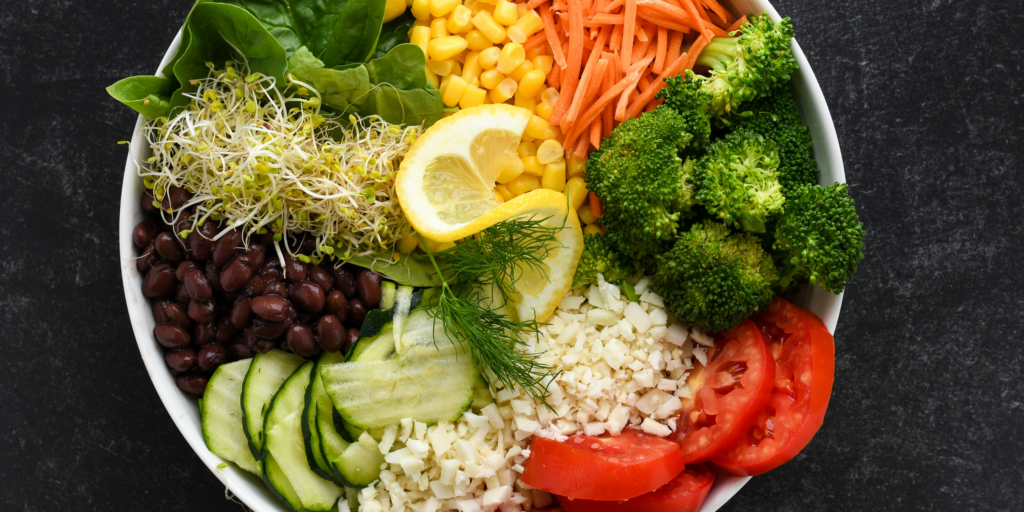
All of this information is great, but how do you actually put it together into a balanced meal? A balanced plate typically includes a protein, a fruit or vegetable, a grain, a dairy product, and a small amount of healthy fat. Taking the staples above, here is how easy it can be:
Try a vibrant bean salad loaded with black beans, corn, diced tomatoes, and avocado for a satisfying, no-cook summer meal that checks nearly every box. Or build a simple rice bowl with seasoned chicken or beans, roasted vegetables, a sprinkle of cheese, and a drizzle of olive oil for a warm, filling dinner that comes together in under 30 minutes. Even a quick breakfast of scrambled eggs with a side of fruit and a corn tortilla gives you a balanced start to your day without spending more than a few dollars.
The key is to stop thinking of gluten-free eating as a list of restrictions and start thinking of it as an opportunity to build meals around whole, naturally safe ingredients. Once you have your staples stocked, you will find that the options are plentiful and delicious.
Affordable Snack Ideas That Actually Satisfy
Snacking gluten-free does not have to mean reaching for expensive specialty bars or individually wrapped certified products. In fact, some of the most satisfying and naturally safe snacks are already sitting in your kitchen or are just a quick grocery run away. Here are some of our favorite budget-friendly gluten-free snacks that will keep you fueled between meals:
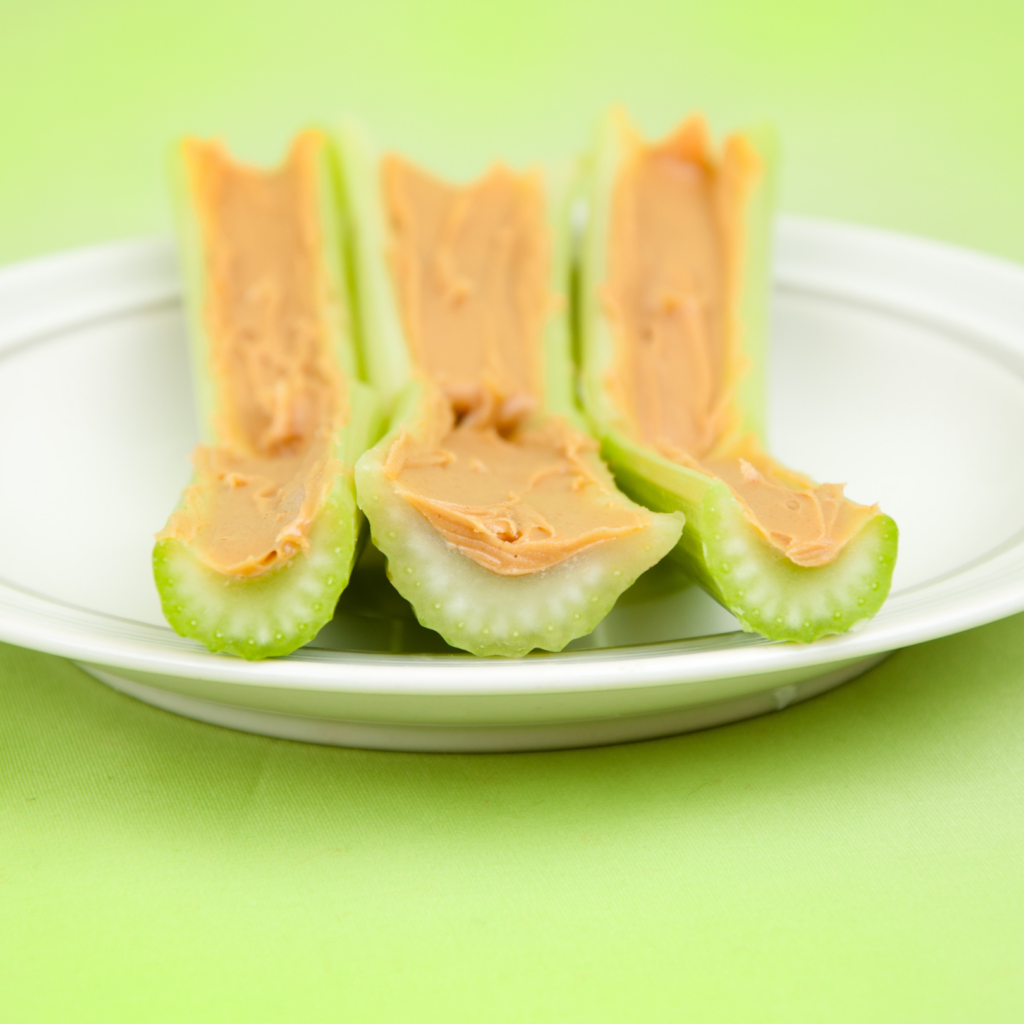
Celery and peanut butter – A classic for a reason. Celery is one of the most affordable vegetables you can buy, and peanut butter brings protein and healthy fat to the mix. It is crunchy, creamy, and genuinely satisfying. Look for natural peanut butter with minimal ingredients to keep it as clean and budget-friendly as possible. Or make it yourself with only 2-3 cups of roasted peanuts blended, and the optional salt, oil, or sweetener.
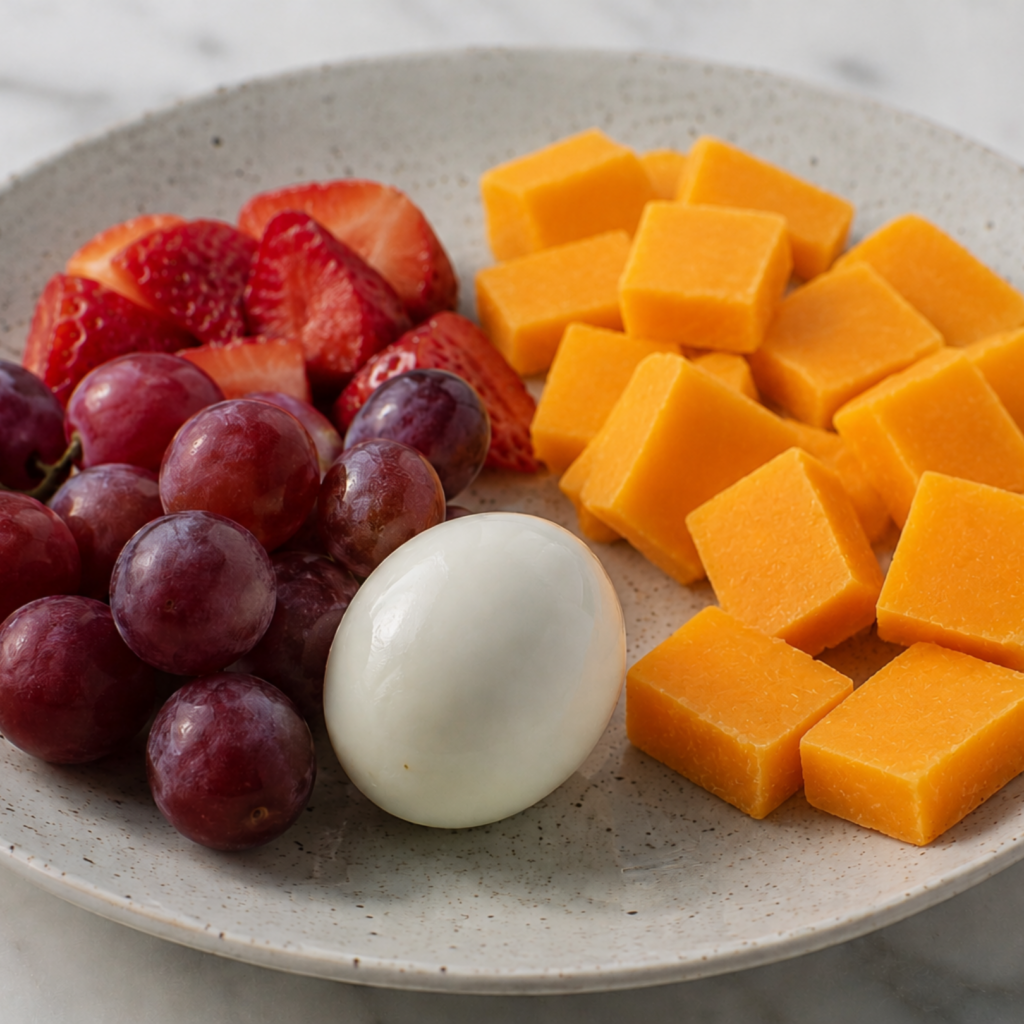
Cheese, hard-boiled eggs, and fruit – Think of this as your DIY snack board. Hard-boiled eggs are an excellent source of protein and incredibly cheap to prepare in batches at the start of the week. Pair them with a slice or two of your favorite cheese and a handful of grapes, apple slices, or berries for a snack that feels a little fancy without costing much at all.
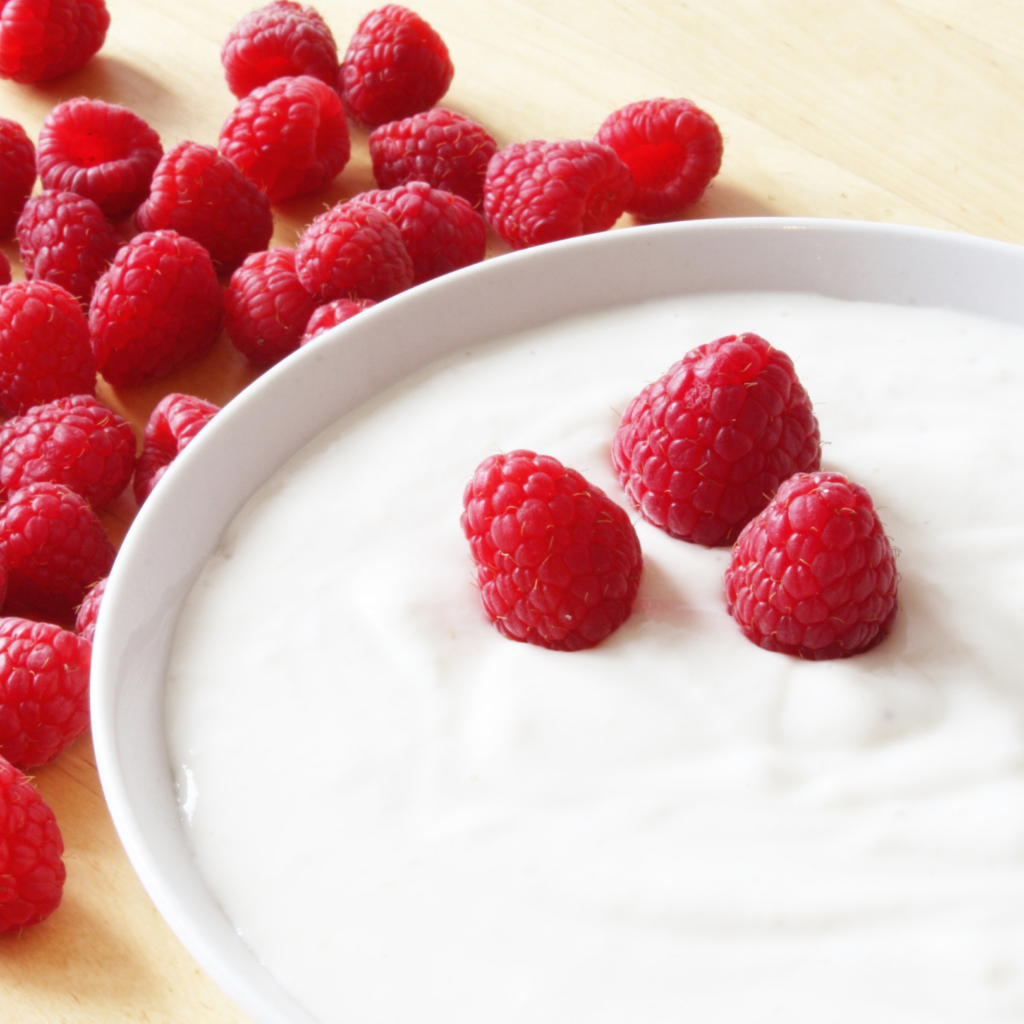
Fruit with Greek yogurt – Greek yogurt is creamy, protein-packed, and naturally gluten-free. Pair it with whatever fruit is in season or grab a bag of frozen fruit and let it thaw overnight, for a snack that doubles as a light breakfast. Add a drizzle of honey or a sprinkle of cinnamon for a little extra flavor without the added cost of pre-flavored yogurts.
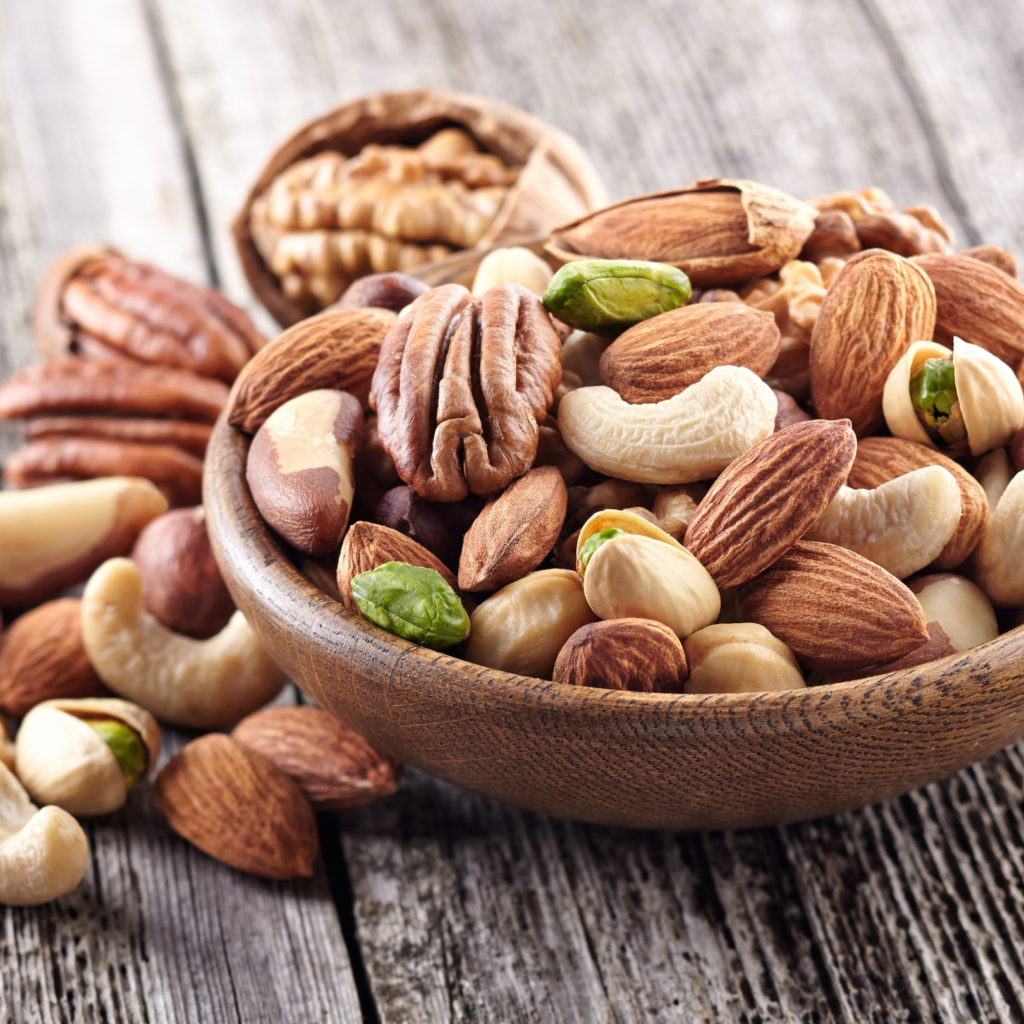
Nuts and seeds – Almonds, cashews, sunflower seeds, and pumpkin seeds are all naturally gluten-free, portable, and rich in healthy fats and protein. Buying them in bulk is almost always more cost-effective than individual snack packs. A small handful is all you need to hold you over until your next meal, making this one of the most efficient snacks on the list.
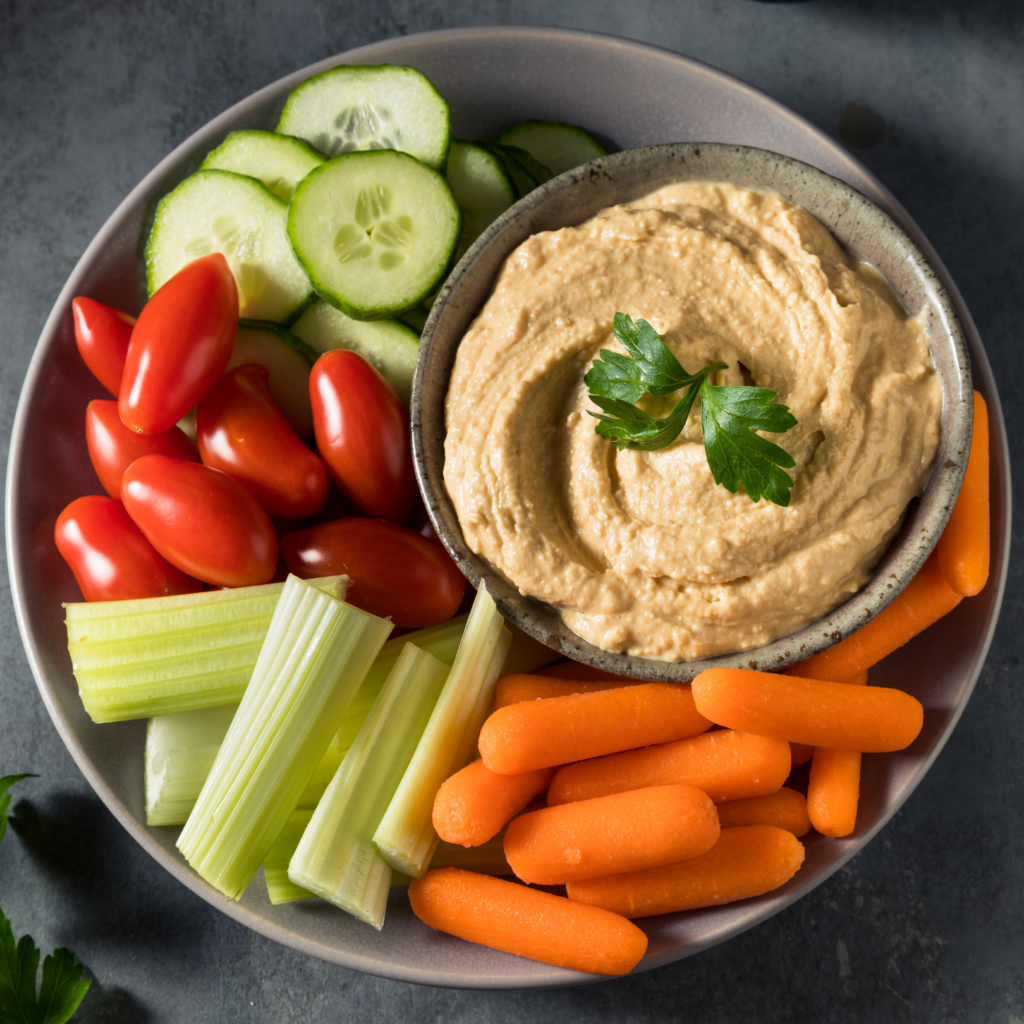
Veggies with hummus or bean dip – Raw vegetables like carrots, bell peppers, cucumbers, and snap peas are naturally gluten-free and become a genuinely satisfying snack when paired with hummus or a homemade bean dip. Store-bought hummus is widely available and generally gluten-free, but if you want to stretch your budget even further, blending your own from canned chickpeas, olive oil, lemon, and garlic is quick, inexpensive, and delicious.
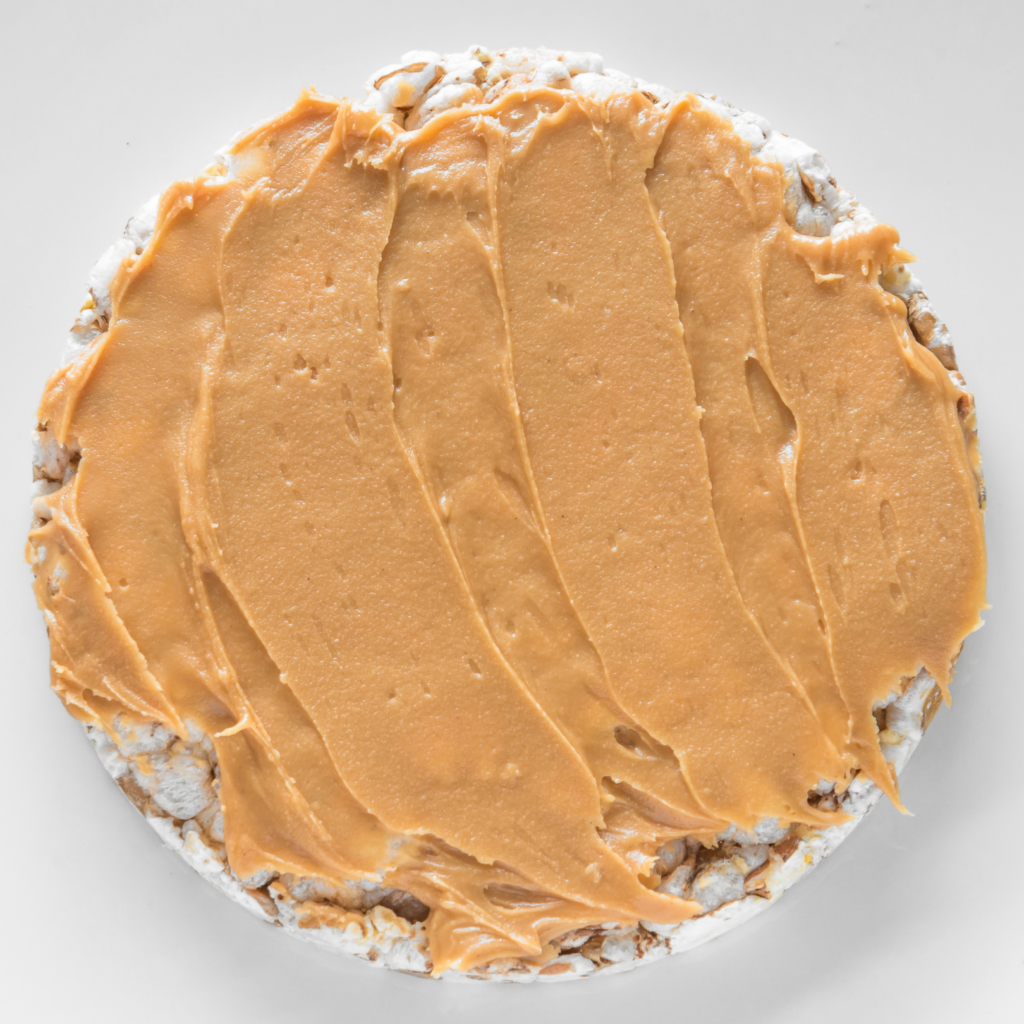
Rice cakes with peanut butter – Rice cakes are a pantry staple that are almost always gluten-free (though a quick label check is always worth it), incredibly easy on the wallet, and endlessly adaptable. Spread with peanut butter for a satisfying crunch-and-protein combo, or top with a slice of banana and a drizzle of honey for something that feels more like a treat. Either way, you are getting a snack that is quick, convenient, and safe.
Eating gluten-free on a budget is absolutely possible, and once you get the hang of building meals and snacks around naturally safe, whole foods, it starts to feel a lot less overwhelming. Stock your pantry with the staples we covered, lean on seasonal and frozen produce, explore affordable proteins, and do not underestimate the power of a good snack to keep you satisfied and on track throughout the day.
Remember, you do not have to overhaul everything at once. Start with one or two swaps, build from there, and give yourself grace as you find what works for you. You’ve got this, and we are here to help every step of the way.
Available Resources for Food Insecurity
GIG Cares’ Cutting Costs Program