Questions to Ask When Eating Out

by Devyn Quinn, Outreach Manager
As someone who eats gluten-free, I know how intimidating it can be to navigate menu choices in a restaurant. But when you are a parent or caregiver responsible for keeping a child or dependent safe, that stress doubles.
Sometimes restaurant staff have no idea what gluten is. Sometimes they think they know the answers, but the truth comes out quickly once you start digging. And other times, you find a total gem who knows their stuff and isn’t afraid to ask the kitchen for help.
If you ever feel lost about what or how to ask, that is completely normal. Here is a guide to handling three common restaurant scenarios, along with the exact questions to ask in each situation.
Scenario 1: The Server Who Doesn’t Know What Gluten Is
Running into a server who is unfamiliar with gluten can feel overwhelming, but staying calm and polite is key. Busy servers respond best to short, direct explanations.
What to Say:
“My child/dependent needs to eat strictly gluten-free for their health. That means no wheat, barley, or rye, so things like regular pasta, bread, soy sauce, and certain seasonings are out. Even small amounts or shared surfaces will make them sick.”
Follow up by letting them know it is entirely okay if they don’t know all the answers offhand, and politely ask them to double-check with the kitchen.
Questions to Ask:
- “Do you have an allergen or dedicated gluten-free menu?”
- “Would you mind asking the chef or kitchen manager which items can be safely prepared for a strict allergen order?”
- “Do you know who the best person would be for me to speak with directly about how the food is prepared?”
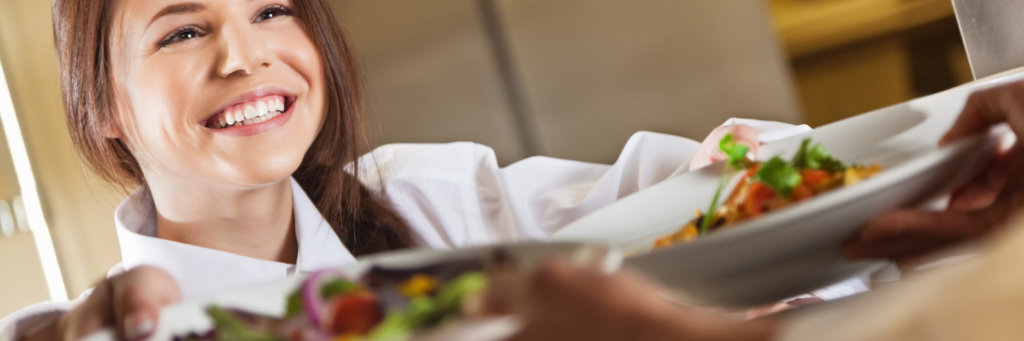
Scenario 2: The Server Who Thinks They Know (But Isn’t Sure)
This conversation often starts with a confident “Of course that’s gluten-free!” But as soon as you ask about preparation methods, the hesitation sets in and the “I think so” phrases start coming out. When in doubt, always dig deeper.
Questions to Ask:
- “Are the french fries cooked in a dedicated fryer, or do they share oil with breaded items?”
- “Is the GF pasta boiled in fresh water, or in the same water used for regular pasta?”
- “Is this item cooked on a clean section of the grill/flat-top, separate from breaded foods?”
- “Is the seasoning blend on this dish gluten-free?”
- “Would you mind double-checking those ingredients with the kitchen staff just to be safe?”
Scenario 3: The Gem Who Gets It
These servers are absolute lifesavers. They answer what they know, admit freely when they don’t, and take the extra steps to get accurate answers from the kitchen.
Start by clearly stating your child/dependent’s needs, then ask for their recommendations. If they have to run back to the kitchen to verify an ingredient, don’t panic, it is always better for someone to double-check than to guess.
Questions to Ask:
- “How does your kitchen normally handle gluten-free or allergen orders to prevent cross-contact?”
- “Are there any dishes you would not recommend for someone strictly gluten-free due to how they are prepared?”
- “Can the kitchen prepare this meal using clean utensils and a freshly sanitized surface?”
- “Could you confirm with the kitchen that the order is safe right before it comes out?”
Quick Red Flags and When to Walk Away
Your child/dependent’s safety always comes first. Consider eating elsewhere or sticking strictly to pre-packaged/pre-verified items if you hear or see any of the following:
- Staff members saying “A little bit of gluten won’t hurt, right?“
- Kitchen staff refusing or acting hesitant to check ingredient labels on packaged sauces or mixes.
- Confirmation that gluten-free foods share cooking oil or grill spaces with heavily breaded items.
Confidence Comes with Practice
Navigating restaurant dining with a gluten-free child/dependent can feel daunting at first, but remember: you are your child/dependent’s best advocate. Never feel embarrassed to ask for clarity, and never hesitate to walk away if a venue cannot guarantee safe food preparation.
When you do find a restaurant gem who handles your order with care, thank the manager and add them to your list of safe spots. Safe dining isn’t about perfection on the first try, it’s about building a routine that keeps your people healthy and confident.