Label Reading 101

By Devyn Quinn – Outreach Manager
In order to read labels, you have to know what you are looking for. Below is a list of common and uncommon/sneaky ways gluten can be found.
Common:
- Wheat
- Rye
- Barley
- Malt (including powder, syrups, and flavor)
Uncommon/sneaky:
- Colorings in food thickened with flour
- Modified food starch
- Hydrolyzed Wheat
- Brown Rice Syrups
- Brewers Yeast
Where can these ingredients be found?
- Crackers, breads, cookies
- Processed foods like:
- hotdogs
- chicken tenders/nuggets
- Dairy products like:
- ice cream
- yogurt
- pudding
- flavored milks
- Personal care products like:
- makeup
- lip gloss
- chapstick
- eye shadow
- mascara
- shampoo/conditioner/body wash, sunscreen, face oils/creams/lotions
After reading all of that, you may be thinking “well what can I use or eat?“, the reality is, there is so much you can use and eat!
Well, let’s talk about how to find and determine if something is safe, using the ingredients listed above.
Looking at a food label like the one below this section, we can see that it would appear safe. The reality is, this is not a gluten-free food.
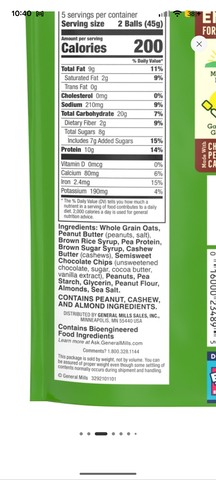
Here is why, the package states whole grain oats, but we do not know the process in which the oats were processed. Unless oats specifically are certified with GFCO labeling, it is not recommended to eat them. This item contains brown rice syrup as well and we again, do not know how the rice was processed to be made into a syrup. The last red flag for this item is the peanut flour. While it does not appear to contain any additional ingredients other than ground up peanuts, alternative flours like wheat or barley flour could be mixed in to help the mixture be the right texture.
One thing that is an amazing step in the world is food certification programs that exist for all kinds of food and products today. For gluten-free specifically, GFCO is the biggest gluten free food certifier in the world. Anything that is certified by GFCO is tested to standards stricter than the FDA.
If you are newly diagnosed or just learning the ropes of living gluten free on your own, look for GFCO certified products when possible.

There will be times when you really want that bag of chips that isn’t certified, and that is okay, ONLY if the ingredients on the label are safe for you.
If you are ever second guessing the ingredients, the answer should be no. It is always better to be safe!
Do you have specific questions about label reading or what to look out for? If you do, email customerservice@gluten.org