Batch Cook Your Way to an Easier Week

By Mallorie Williams, GIG Outreach
Last month, we discussed ways to stretch your grocery budget by choosing naturally gluten-free foods and shopping strategically. Now, it’s time to make those ingredients work even harder. Batch cooking can help you save time, reduce food waste, avoid last-minute takeout, and make gluten-free eating more manageable throughout the week.
Many of us know the feeling of coming home after a long day only to realize we still need to figure out dinner. Whether you’re short on time, low on energy, or simply tired of making food decisions, meal preparation can quickly become another item on an already full to-do list. Fortunately, batch cooking offers a practical solution that can reduce both the mental and physical demands of cooking throughout the week.
So, what exactly is batch cooking? Batch cooking is the practice of preparing larger quantities of food at one time, so portions can be stored and enjoyed across multiple meals. This approach offers numerous benefits, including saving time on busy evenings, reducing grocery costs through bulk purchasing, minimizing daily cleanup, providing greater control over ingredients, and helping prevent cross-contact in the kitchen.
You Don’t Need a Freezer Full of Meals
The good news is that batch cooking doesn’t have to mean spending an entire weekend preparing dozens of meals. Starting small is often the most effective approach. By focusing on a few versatile ingredients that can be used in multiple dishes throughout the week, you can build a routine that fits your schedule, makes the most of bulk purchases, and simplifies gluten-free meal planning.
If you focus on a few versatile ingredients, such as chicken, one or two vegetables, and rice, you can transform those simple components into a variety of meals throughout the week. Chicken can be used in casseroles, soups, tacos, salads, or lettuce wraps. Rice can serve as a side dish, become the base for burrito bowls, or even be incorporated into breakfast bowls. Vegetables are just as flexible. Whether you prefer the convenience of canned, the freshness of produce, or the ease of frozen, they can be roasted, sauteed, or tossed in as needed without any extra prep work. By storing ingredients separately rather than assembling complete meals, you can mix and match throughout the week, creating something different each day without additional cooking.
Starting with just one or two ingredients at the beginning of the week can make a significant difference without requiring hours of preparation. Consider batch cooking a protein and a carbohydrate, or even two proteins that can be used in multiple ways. For example, a large batch of ground beef could become burger bowls one night, unstuffed peppers the next, followed by burrito bowls or gluten-free spaghetti later in the week. The goal isn’t to prepare every meal in advance. Instead, it is to make mealtime easier by giving yourself a head start.
Prep Session in Action
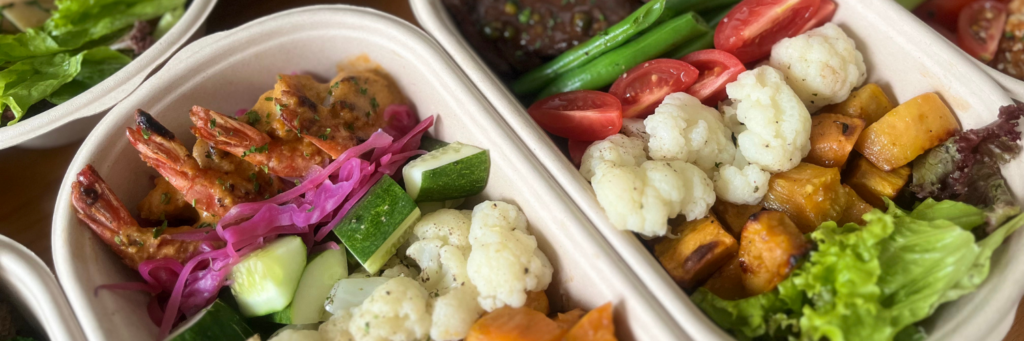
To see how this can work in real life, consider a simple Sunday prep session using just a handful of ingredients. Start with two pounds of boneless, skinless chicken breasts, a large pot of rice, a bag of frozen broccoli, and a can of black beans. Season and bake or poach the chicken, cook the rice according to package directions, and steam the broccoli. That’s it, your prep is done.
From those four ingredients alone, you can build an entire week of varied, satisfying meals. Monday might be a rice bowl with sliced chicken and broccoli, drizzled with gluten-free teriyaki sauce. On Tuesday, shred the chicken and tuck it into corn tortillas with black beans and salsa for easy tacos. On Wednesday, toss chicken, broccoli, and rice together with a splash of olive oil and garlic for a quick skillet meal. By Thursday, any leftover chicken can go into a simple broth with rice and vegetables for a comforting soup. The ingredients are the same, but the meals feel completely different. Buying those staple ingredients in bulk, when possible, such as a larger bag of rice or a family pack of chicken, can also help stretch your grocery budget even further while making future prep sessions just as easy.
Store It Right, Enjoy It All Week or For Months
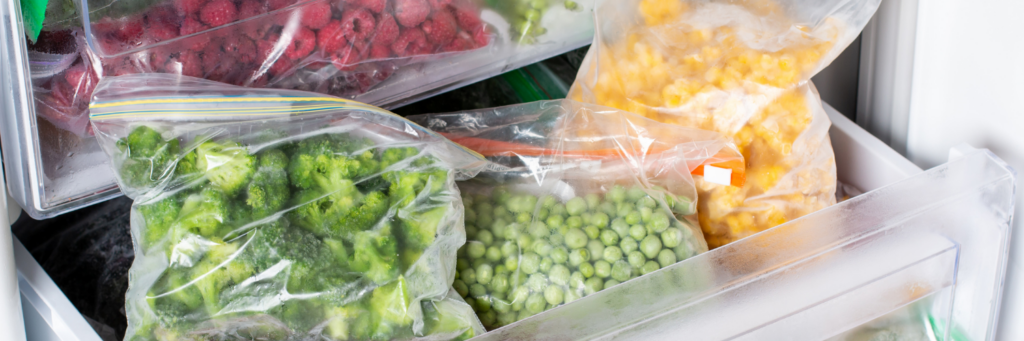
As your batch cooking routine grows, proper storage becomes just as important as the cooking itself. Storing foods correctly, labeling containers with preparation dates, and planning to use ingredients before they spoil can help reduce food waste and ensure your hard work doesn’t go to waste. If you find yourself preparing more than you need, many batch-cooked foods freeze well and can be used later in the month. Over time, these extra portions can create a small freezer reserve, making future meal planning even easier while helping you get the most value from the ingredients you purchase.
Some helpful tips for proper storage include making sure your food is properly cooled by placing it in the fridge within an hour or two of prepping it and dividing it into shallow containers, preferably in one to two portion sizes. This helps prevent the growth of bacteria and keeps your ingredients fresh longer. Always use shallow, airtight containers, souper cubes for soups, stews, or sauces, and heavy-duty freezer bags or vacuum-seal bags. You can transfer frozen souper-cubed ingredients into a heavy-duty freezer bag or vacuum-seal bag to protect against freezer burn. Always label the contents of your containers or bags and include a date either the date you cooked it or the use-by date.
As a general guide:
- cooked meats keep for 3–4 days in the fridge or 2–6 months in the freezer
- cooked vegetables stay fresh for 3–4 days in the fridge and up to 10–12 months in the freezer
- cooked grains like rice or pasta last 3–4 days in the fridge and 1–2 months in the freezer
- Soups, stews, and sauces hold for 3–4 days in the fridge and about 6 months in the freezer
- Seafood should be used within 1–2 days in the fridge or 3–4 months in the freezer
- Casseroles are good for 3–4 days in the fridge and 2–3 months in the freezer.
Keeping these timelines in mind helps you plan meals that use ingredients before they expire and if you’re building your freezer stash, always reach for the oldest items first.

A Few Hours Now, More Free Time Later
Finding a routine that fits your life is what matters most; batch cooking doesn’t have to happen on a specific day or follow a specific formula. Start small with just a few ingredients instead of a full week’s worth of meals, prep only what you know you’ll use, and give yourself permission to build the habit gradually. Smart shopping helps you save at the store, but batch cooking helps those savings last all week. By preparing a few versatile, naturally gluten-free ingredients ahead of time, you can spend less time in the kitchen, reduce food waste, and make gluten-free eating feel a little easier every day.